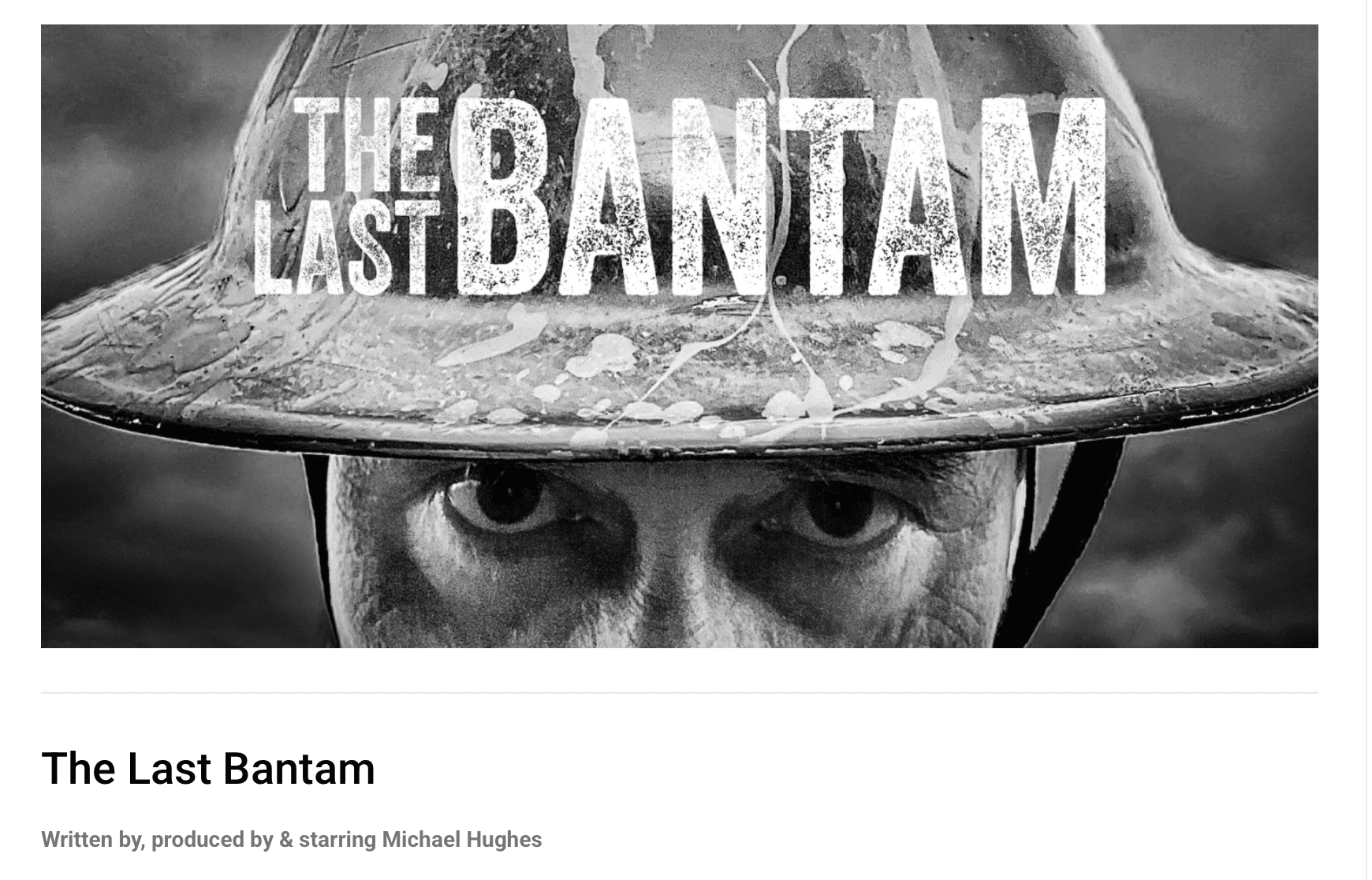
The Last Bantam is a one-hour, one-man play that reveals the incredible and forgotten story of the ‘Bantam’ soldiers – 30,000 men between 5ft-5ft 3” who signed up to fight in the Great War. It is told through the eyes of Patrick Michael Wolfe, a Dubliner who joined the Bantams in 1915 to help secure Home Rule in Ireland. Here, playwright Michael Hughes, who performs his play at Drayton Arms Theatre as part of its national tour, reveals the story behind the work and its (albeit tenuous) connections to Kensington and Chelsea.
The British army didn’t want short men. They had to be at least 5’3’’ to sign up in 1914. That changed however when one angry miner, standing just 5’2’’ tall, was rejected by the Birkenhead recruitment office. Not content to leave quietly, he took off his jacket and declared, ‘I’ll fight any man here who says I cannot do my duty!’
Legend has it that it took six men to remove him from the recruiting station.
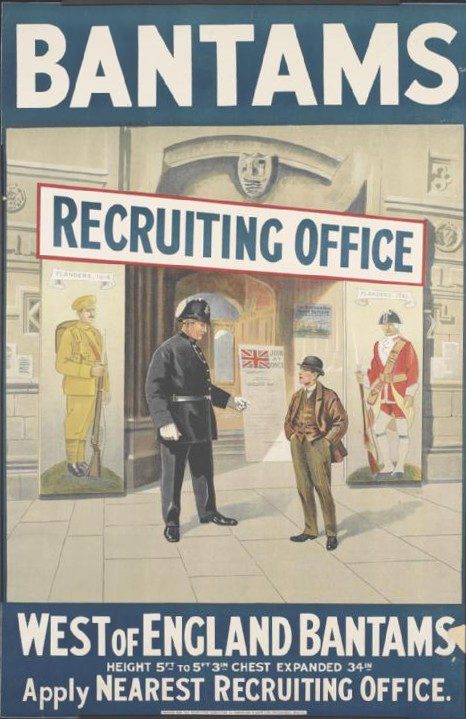
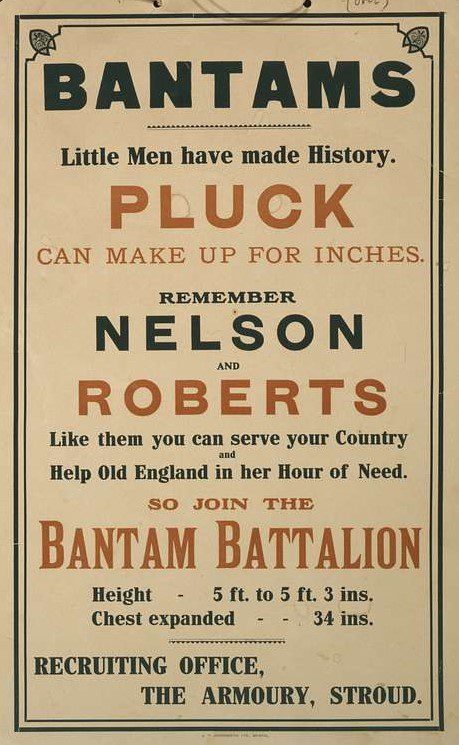
Sir Alfred Bigland, MP for Birkenhead, heard about this miner and was impressed and intrigued. He believed that short strong men could be just as effective as taller men and that they too should be given the chance to serve their country. The War Office permitted him to raise a battalion of soldiers who failed to meet the official army standard. These men, between 5’-5’3’’ would be called ‘bantams’ after the small aggressive rooster.
Inspired by posters saying ‘Pluck can make up for inches!’ and ‘Little men have made history’, Bantam battalions sprang up all over Britain. There were 27 in all, plus two made up of Canadian men.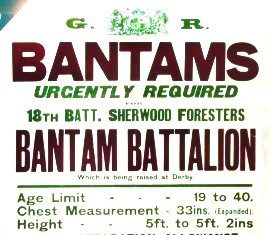
These battalions, based on the ‘Pals Battalions’ model, were feted by their local communities. Songs were sung, poems written about them and newspapers lapped up the story. These battalions were formed into the 35th and 40th Bantam Divisions, and they participated in some of the bloodiest battles on the Western front, from the battle of the Somme in 1916, all the way through to the Armistice in 1918. Many died in battle and never came home.
Ironically, the thing that distinguished the Bantams – their height – was also their undoing. They were very hard to replace. The strong, fit miners, bakers and shipyard workers who formed the original Bantam battalions were being replaced with smaller, weaker men the army labelled ‘degenerates’.
Many of the original Bantams were also redeployed to the newly founded Tank Corps and tunnelling units where their smaller stature was an advantage. By winter 1916, the writing was on the wall. The 35th and 40th Divisions had to accept men of regular height to keep up their numbers.
My connection…
I learned about the Bantams when I came across an online discussion debating the best size for a soldier. The general consensus was that bigger was better, bigger soldiers being stronger and more intimidating. Then someone asked, ‘What about the Japanese?’. Someone else asked ‘What about the Viet Cong?’, and someone else, ‘What about the Gurkhas?’ And then the question that piqued my interest, ‘What about the Bantams?’
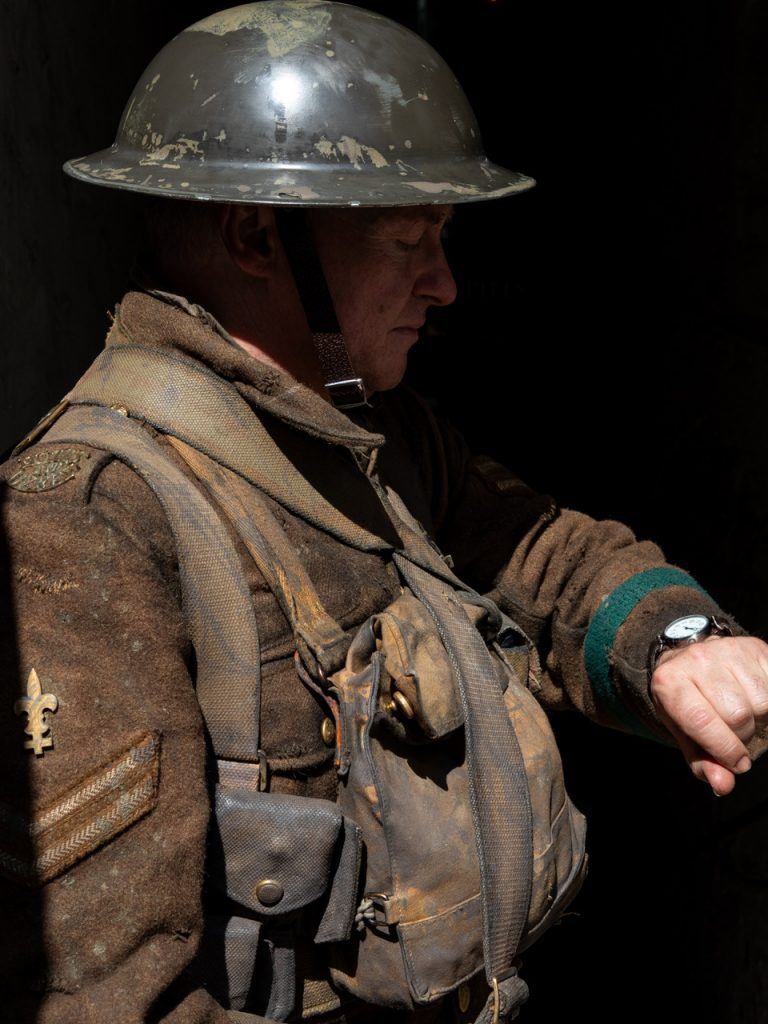
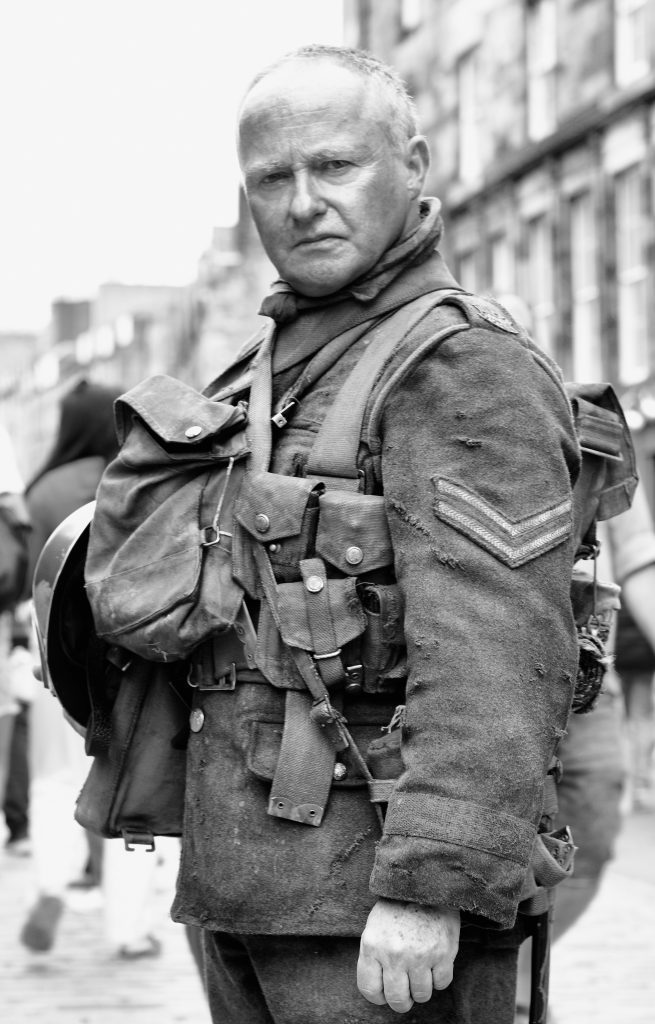
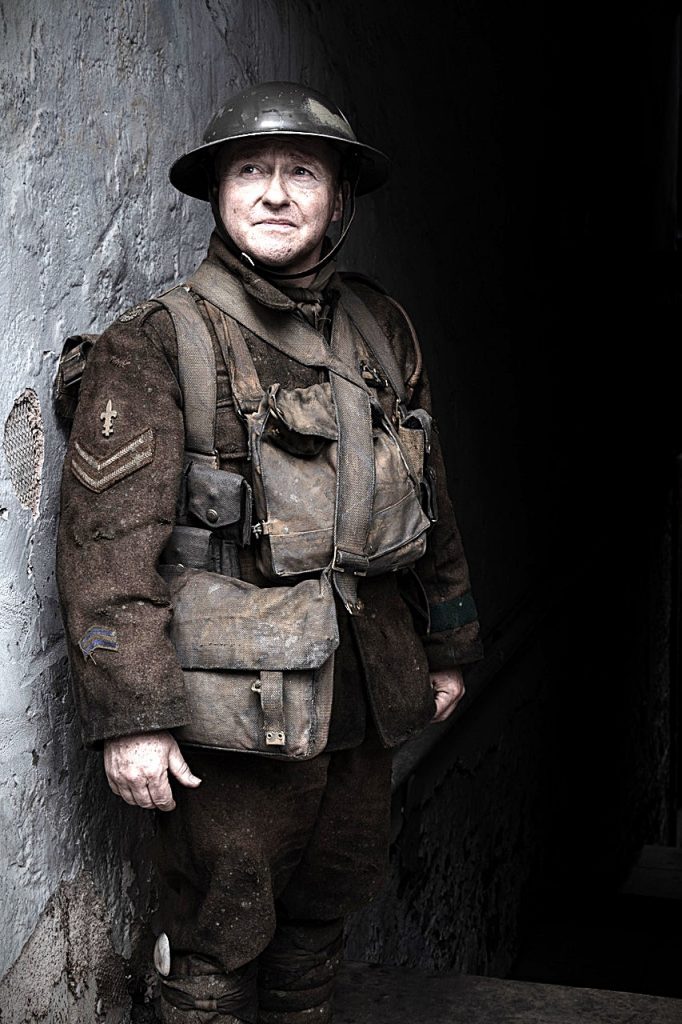
I had never heard of the Bantams, but I looked into it. I bought Sidney Allinson’s seminal work The Bantams: The Untold Story of World War One and became totally engrossed in their story.
I am 5ft tall in my stocking feet, so I could immediately relate to the prejudice these men encountered. I have had a few problems about height over the years and I distinctly remember being stood up against a wall and measured when I applied to nurse training in 1991. I made the cut, but I never forgot how unfair it seemed to have my future decided by a tape measure. I knew exactly how that miner felt in 1914!
The character I play, Patrick Michael Wolfe, is an Irishman. I’m Irish myself and I wanted my play to acknowledge the 200,000 Irishmen who served in the Great War. While their service is celebrated by the Unionist community the rest of Ireland long ago chose to forget about them. It’s time to remember both the Bantams and the Irishmen who fought.
The Last Bantam is a play about patriotism, prejudice, courage and betrayal. Inspired by real events.
The Chelsea connection…
There are several links to the Bantams in Kensington and Chelsea. A rather infamous one is Brigadier General Frank Percy Crozier. He commanded the 119th Welsh Bantam Brigade in the Battle of Bourlon Wood, November 1917. While technically too tall to be a Bantam (he stood a mighty 5’3 and a half inches) he was given command of the 119th.
Crozier was a resident of Kensington who attended military training at Chelsea Barracks. He was physically daring and was mentioned in dispatches and decorated multiple times for gallantry in the 14-18 war.
Crozier was a controversial character who came with a lot of baggage. An alcoholic and a bankrupt, the army didn’t want him after the war. He became Inspector General of the Lithuanian army and then commanded the Black & Tans in Ireland during the War of Independence. He resigned (he claimed) over their brutality.
He ran for parliament as an MP twice (and failed) and became embroiled in a series of court cases, claiming damages for slander and injuries sustained in Ireland. He wrote several books, in one of which (‘The Men I Killed’), he describes and justifies his shooting some of his own men to hold the line. He became a pacifist in the lead up to the Second World War and toured the country advocating for disarmament right up until his death in 1937.
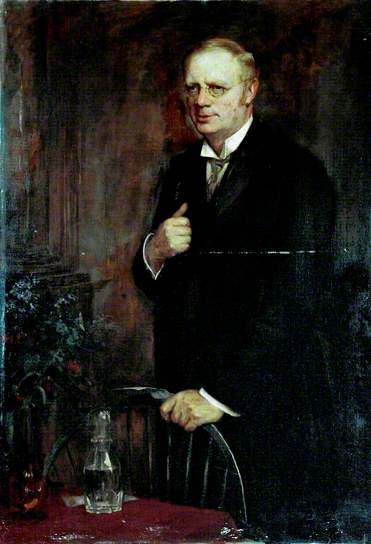
A further local connection is Sir Alfred Bigland, who founded the Birkenhead Bantams, and had his portrait painted by his brother, artist Percy Bigland, at his studio at 32 – and later 29 – Tite Street.
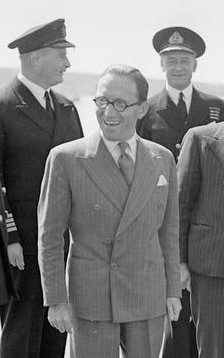
Then there was the comedian Arthur Askey (1900 – 1982), who served in the 19th Bantam Battalion, Royal Welch Fusiliers during WW1. In the 1950s, Askey moved into Campden Hill Gate, off Kensington Church Street, and later lived in St. Mary Abbots Terrace.
-

- Comedian Arthur Askey
-
- Alfred Bigland
As part of its national tour, The Last Bantam is on at Drayton Arms Theatre, 153 Old Brompton Road, SW5 0LJ, on 25th January at 5pm and on 26th January at 7:30 pm
Book tickets HERE
Watch a YouTube trailer HERE