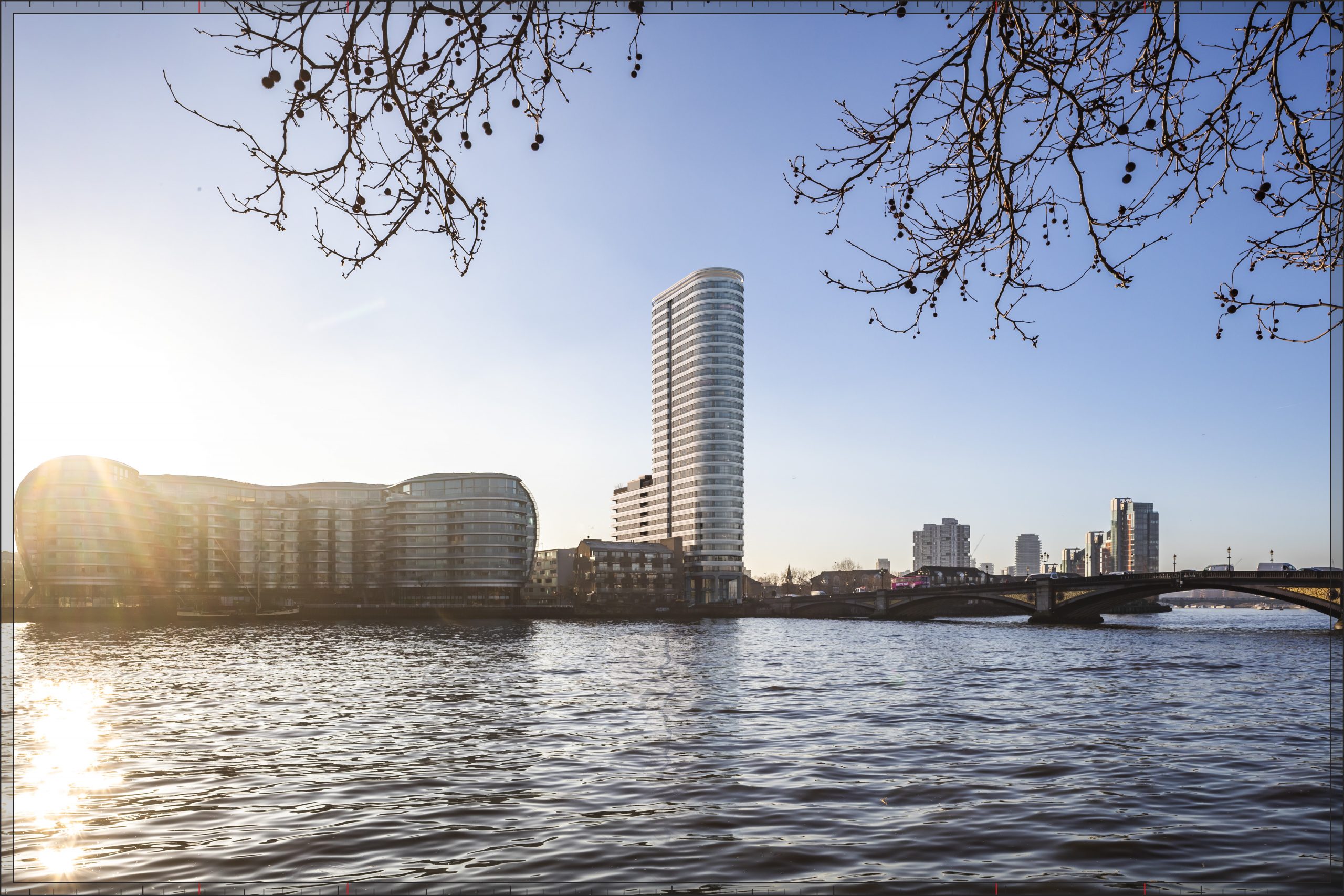
Campaigners are celebrating in Chelsea and Battersea today after a Government planning inspector dramatically threw out Rockwell’s hugely controversial plans for a 29-storey riverside tower beside Battersea Bridge.
In a crushing blow to the developer, Planning Inspector Joanna Gilbert dismissed Rockwell’s appeal against Wandsworth Council’s refusal of the scheme following a bruising seven-day public inquiry earlier this year.
After weeks of deliberation, Ms Gilbert rejected the proposal saying the tower was far too tall for Battersea Bridge site, it was harmful to the Thames riverside character and skyline, historic bridges, parks and conservation areas would be damaged, the developer was criticised for failing to properly test lower-rise alternatives and the housing benefits did not outweigh visual and heritage harm
The decision brings down the curtain — at least for now — on one of the fiercest planning battles south-west London has seen in years.
Residents’ groups, heritage campaigners and local protesters had lined up against the scheme, arguing the tower would overwhelm Battersea Bridge, Battersea Park and views across to Chelsea Embankment.
The campaign against the tower — spearheaded by The Chelsea Citizen and its editor Rob McGibbon — drew support from an extraordinary cast of high-profile objectors including Sir Mick Jagger, Felicity Kendal, Eric Clapton, Anthea Turner and Harry Hill.
And in a dramatic twist revealed by The Citizen, Rockwell made a late bid in April to take the decision out of Inspector Gilbert’s hands altogether and hand it to Housing Secretary Steve Reed.The move — known in planning circles as “recovery” — would have seen ministers in Whitehall decide the fate of the tower instead of the inspector. But the request was declined, leaving Ms Gilbert to make the final call. Her decision came through at 11.20am today.
Throughout the inquiry, opponents repeatedly warned the proposed skyscraper would permanently scar one of the Thames’ most sensitive stretches.
Rockwell’s revised plans involved demolishing the existing Glassmill office block and replacing it with a 29-storey tower containing around 110 homes, with roughly half classed as “affordable” by habitable room.
The developer insisted the scheme — designed by the Farrells architectural practice — would become a bold new landmark while helping tackle London’s housing crisis.
But critics said it was hopelessly oversized for the site and sat outside Wandsworth’s designated tall building zones.
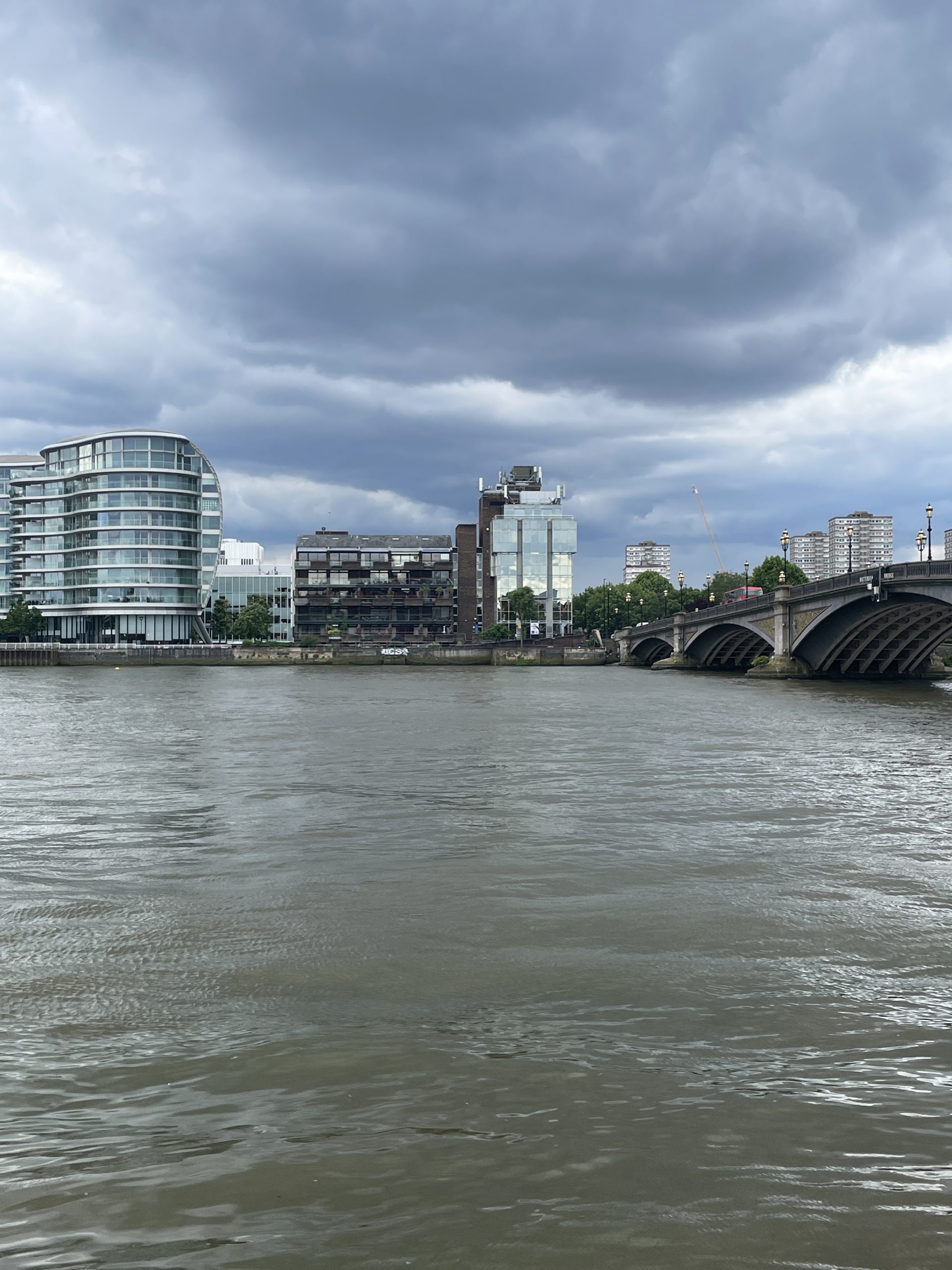
Wandsworth councillors unanimously refused the application last year, branding the tower an unacceptable intrusion into a sensitive heritage setting beside Battersea Bridge.
During the inquiry, campaigners argued the building would cast shadows over homes and parts of Battersea Park, heap extra pressure on the already notorious Battersea Bridge traffic bottleneck and destroy historic Thames views.
Historic England also intervened, describing the proposal as harmful and incongruous.
Rockwell’s legal team at the inquiry was led by veteran planning silk Russell Harris KC, supported by architect Peter Barbalov and planning consultant Jonathan Marginson. Managing director Nicholas Mee attended much of the hearing but did not himself give evidence.
Despite today’s defeat, the battle may not yet be entirely over.
Rockwell’s remaining option would be a legal challenge in the High Court under Section 288 of the Town and Country Planning Act.
That would not amount to a second planning appeal. Instead, the company would have to argue that the Inspector made an error in law — for example through procedural unfairness, misinterpretation of policy or apparent bias.
Any such challenge would have to be launched within six weeks.
If successful, the decision could be quashed and sent back for redetermination — though the court would not substitute its own planning judgment.