From Bob Marley to Oscar Wilde, George Elliott to Bram Stoker, Chelsea is blessed with close to 200 blue plaques, the second most in any London borough bar Westminster.
For long the preserve of English Heritage there are now many other commemorative plaque schemes across London. Individuals too can join in the fun, researching and memorialising the history of their own home, place of work or street.
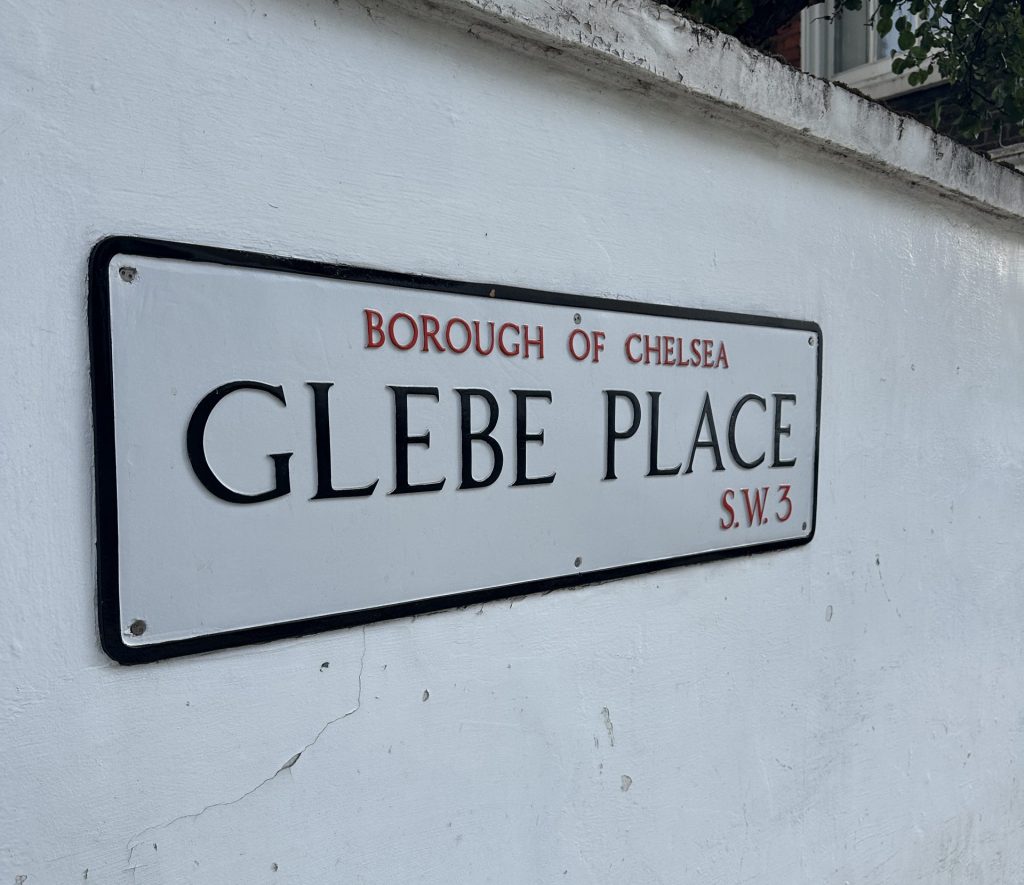
And now a striking new blue plaque has appeared on Glebe House, in Glebe Place SW3, to mark a story of defiance, deception and an escape worthy of a first-rate thriller.
The plaque, installed by homeowner Sandra de Laszlo, honours the formidable Emmeline Pankhurst and a little-known clash that unfolded outside the house more than a century ago.
“I put it up about nine months ago,” said Sandra, “but it’s something I’d been thinking about for a long time — inspired by the extraordinary bravery and commitment of the suffragettes.”
Glebe House is the scene of what came to be called the Battle of Glebe Place.
It is just before 5pm on a cold February evening in 1914. A crowd of around 1,000 people has gathered, filled with anticipation. They have come to see Emmeline Pankhurst — then the most wanted woman in Britain — challenge the establishment to let women have the vote.
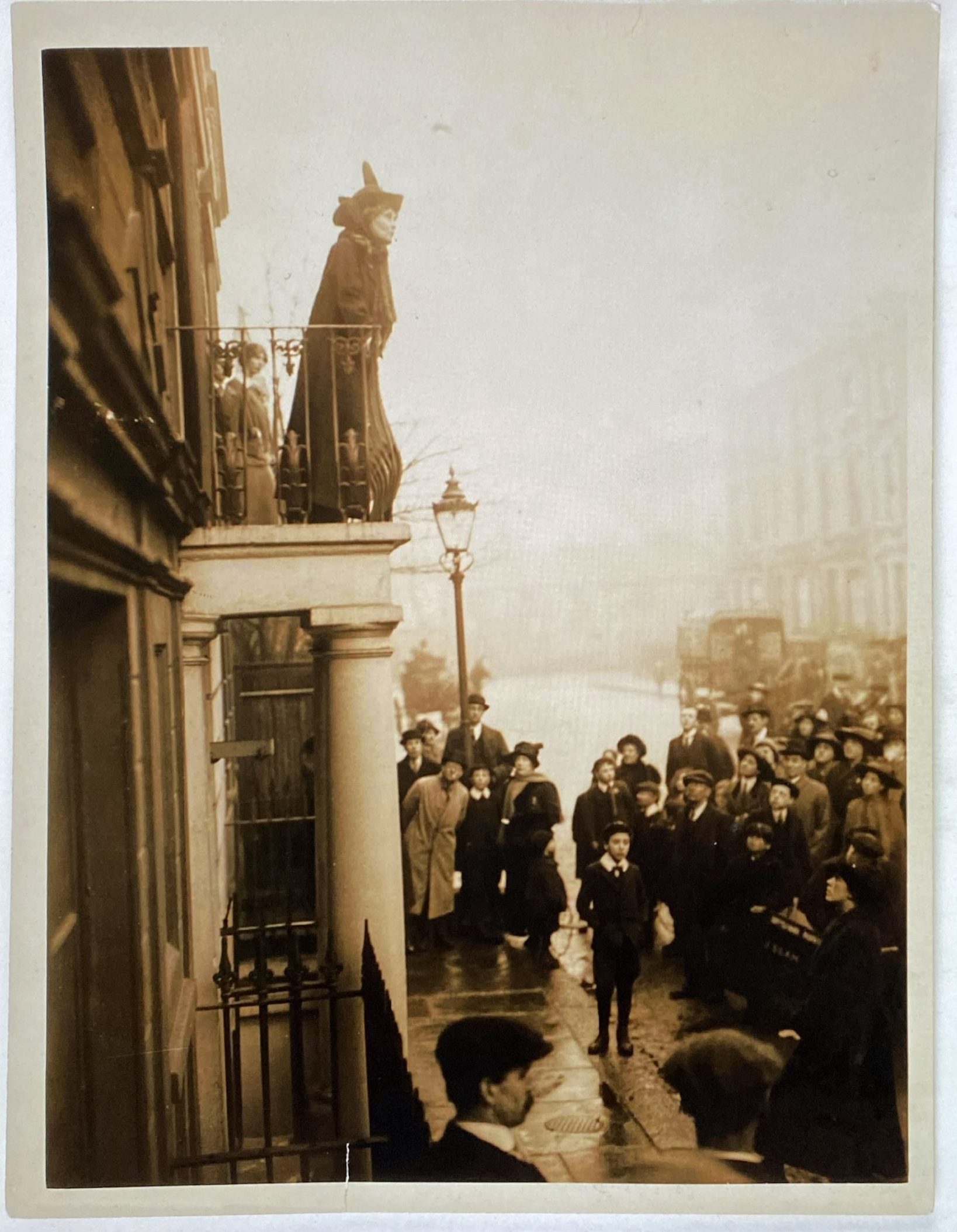
Emmeline moves on to the balcony to address the crowd: poised, defiant, dressed in black. But she is living on borrowed time. Though free on licence, she is banned from speaking in public — and the police are in the crowd waiting for the right moment to pounce.

As the meeting ends, a group of women emerges from the house, shielding a veiled figure the police are meant to believe is Emmeline. Officers move in. Then chaos erupts.
Police later claimed they were attacked with clubs as the women fought to protect the decoy. A full-scale scuffle breaks out as officers force their way through the crowd. In the mêlée, uncertainty reigns: where is Emmeline?
For hours, the police keep watch, unsure if their target is still inside. They have been outmanoeuvred.
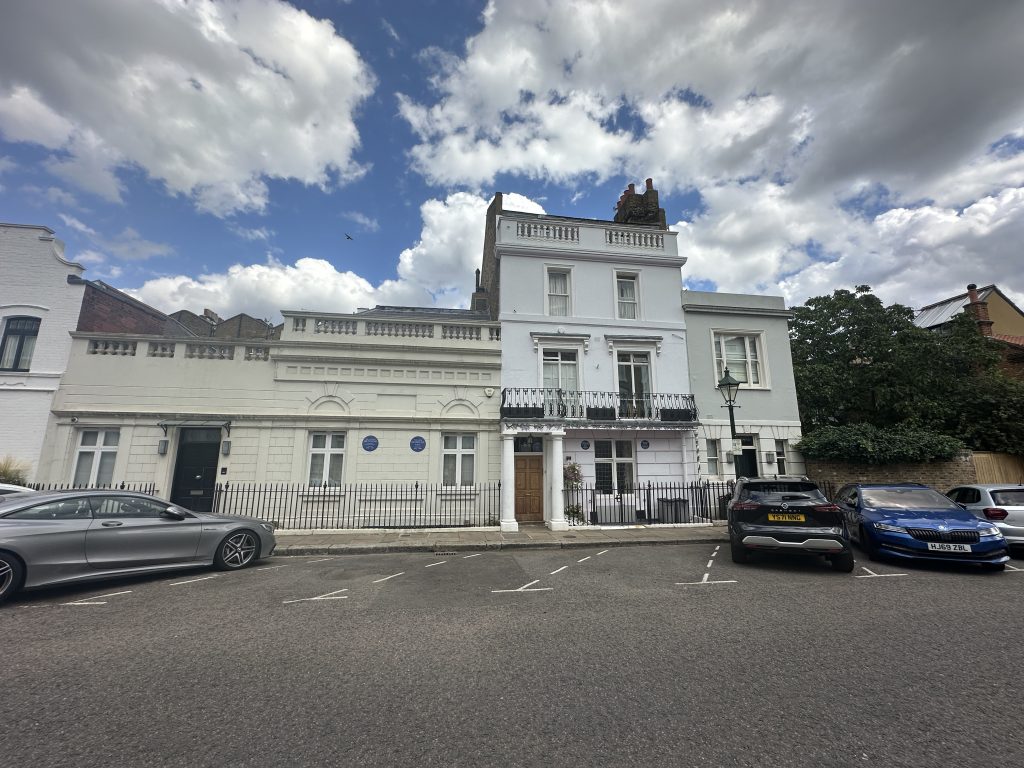
The house where Pankhurst sought sanctuary
It is not until the following day that the real escape unfolds. As a car pulls up outside, Emmeline’s bodyguards launch a sudden diversion, rushing the police line. In that split second of confusion, she makes her move — climbing into the vehicle and disappearing down the King’s Road, free for now. But her freedom does not last.
-

- Emeline Pankhurst speaking from the balcony ©The London Museum
-
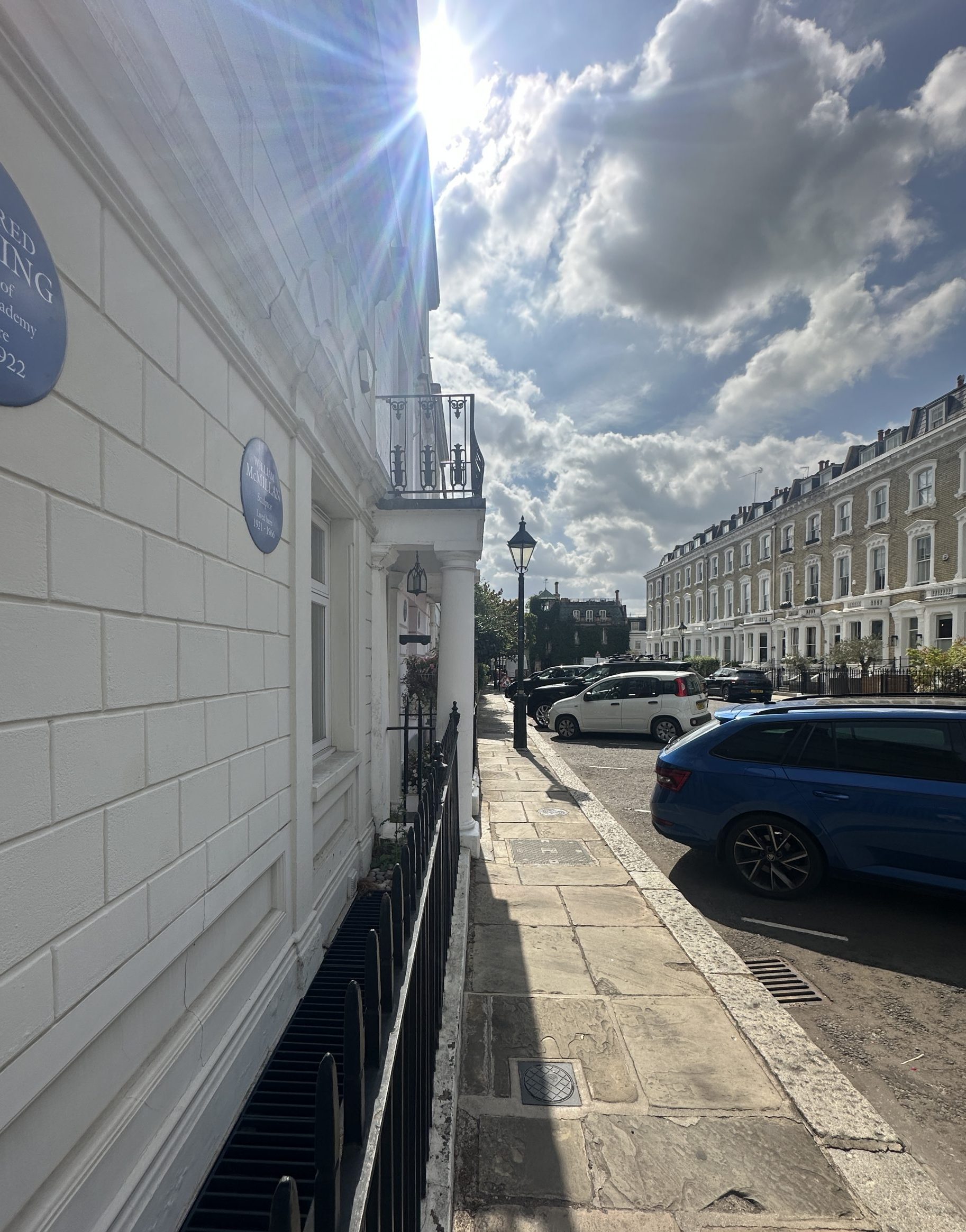
- The balcony today
Just two weeks later, speaking in Glasgow, she is brutally beaten by police before being dragged back to Holloway Prison. There, she immediately goes on hunger strike — one of many acts of resistance that would define her life.
Emmeline Pankhurst (1858-1928) was no ordinary campaigner. Founder of the Women’s Social and Political Union in 1903, she helped turn the fight for women’s suffrage into a national and international crusade.
After years of frustration at political indifference Emmeline and her daughter Christabel
pushed the movement into more militant action — from protests to window-smashing and arson — tactics that divided the suffrage movement as some feared it was turning public opinion against them.
The government’s response was brutal. Hundreds of women were arrested, assaulted, and subjected to force-feeding; the ‘horrible outrage of the gag and feeding tube’ — a practice widely condemned at the time as barbaric.
Emmeline had many connections to Chelsea. A network of local supporters provided funds and places to hide when she was on the run. Glebe House itself became one such refuge, thanks to former owners Gladys Schütze and her husband, who opened their doors to the cause.
Emmeline’s youngest daughter Sylvia also a leading activist and the artist whose designs influenced much of the Suffragette’s campaign material, lived for a time at 43 Park Walk and has a plaque at 120 Cheyne Walk, the most important of her addresses to survive in London. Emmeline is buried in Brompton Cemetery, Chelsea.
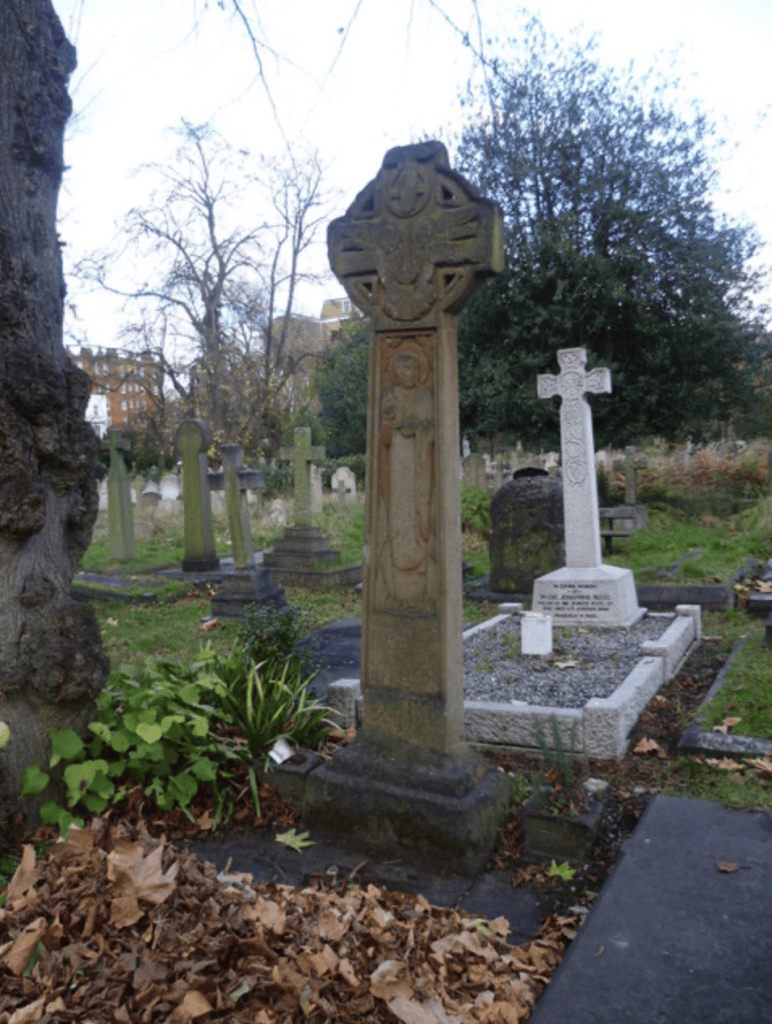
Emmeline Pankhurst’s grave in Brompton Cemetery
Historian Dr Emelyne Godfrey later pieced together the dramatic events at Glebe House while researching the bodyguards who protected suffragette leaders in her book “Mrs Pankhurst’s Bodyguards”— women trained to fight and when required to take on the police.
Now, more than a century on, that moment of resistance is at last commemorated.
Thanks to Sandra’s determination, passers-by can stop outside Glebe House and glimpse a story that might otherwise have been lost — a story of courage, confrontation and a fight that played a part in changing the course of history.
As Emmeline Pankhurst put it at the time, they were fighting so that “every little girl born into the world will have an equal chance with her brothers”.
And on this quiet Chelsea street, that fight still echoes.
From 1st-4th October the Chelsea History Festival celebrates its eighth year with more than 100 different events across three major heritage institutions – Royal Hospital Chelsea, the National Army Museum, and the Physic Garden.
As part of the festival, guide Emily Laurence Baker will be leading a number of walks including one that uncovers the lives and legacies of women who helped shape Chelsea. Depending on the route she takes, the plaque to the Battle of Glebe Place may be visited.
The Chelsea Citizen is proud to be the media partner for this year’s history festival