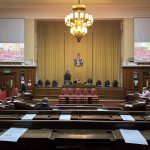
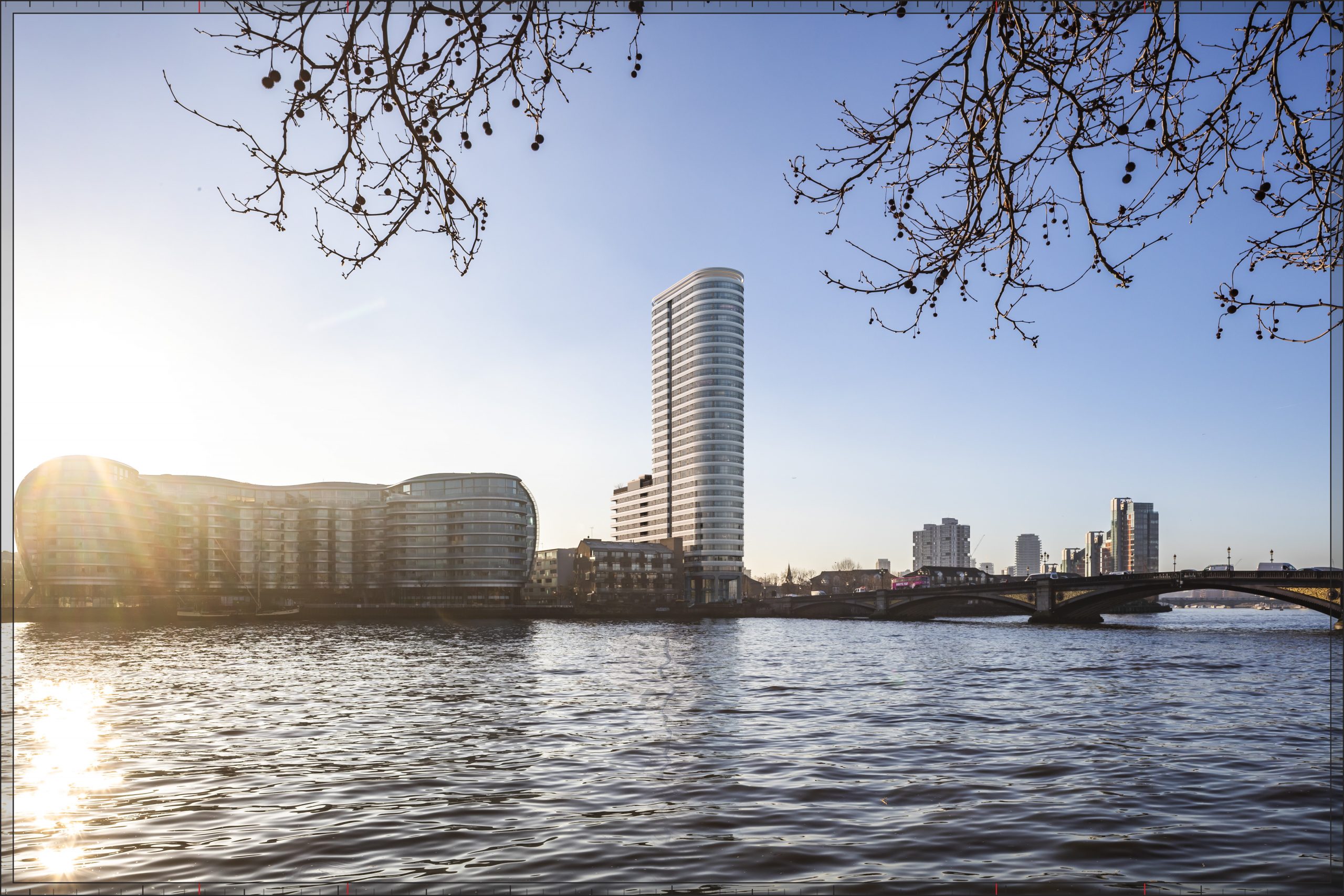
The long-awaited public inquiry into Rockwell’s hugely controversial 29-storey tower finally got underway at Wandsworth Town Hall today.
Lawyers, planners, campaigners and residents lined up for the opening salvos in what promises to be an eight-day planning war over a scheme many fear will permanently scar one of south west London’s most historic riverfronts.
The development — known as One Battersea Bridge — was unanimously rejected by Wandsworth Council in April 2025 over its height, scale and impact on the character of the area.
Even before proceedings began – under the stern guidance of Inspector Joanna Gilbert – the scheme had drawn a roll-call of high-profile opposition.
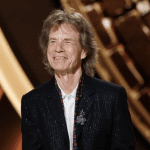
Chelsea resident and Rolling Stones legend Sir Mick Jagger, 82, warned: “Another high tower in Battersea and Chelsea makes no sense and is wrong at every level.”
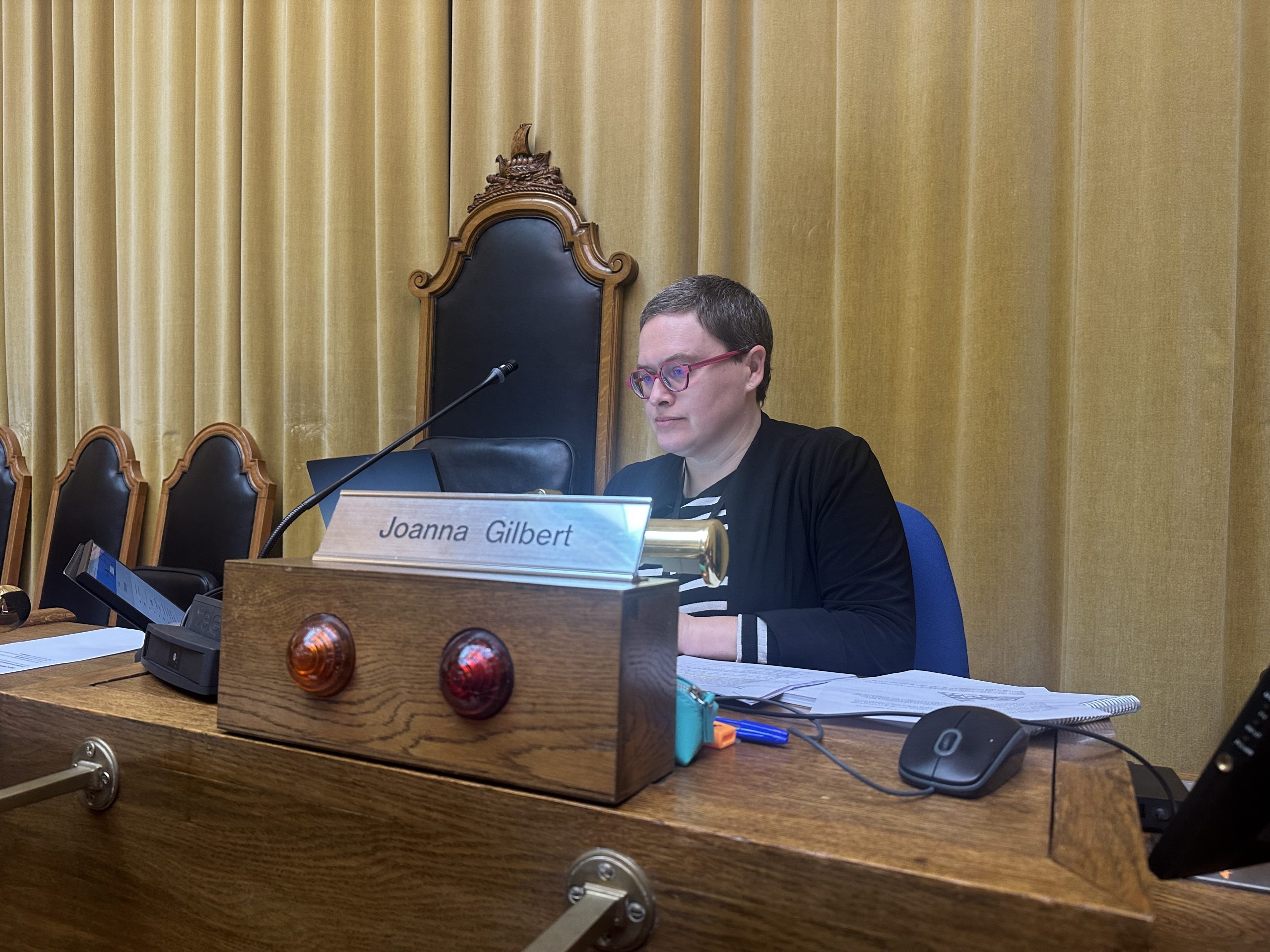
Inspector Joanna Gilbert
Actress Felicity Kendal, star of The Good Life, added: “The high rise is utterly monstrous and will wreck this part of Battersea.”
Their voices have echoed a wider groundswell of resistance from residents’ groups on both sides of the Thames led by The Chelsea Citizen. A petition set up by its editor Rob McGibbon in June 2024 attracted more than 5,000 signatures. But Rockwell is fighting back — and fighting hard.
Opening the case for the developers, Russell Harris KC set out a robust defence of the scheme, insisting it should be approved.
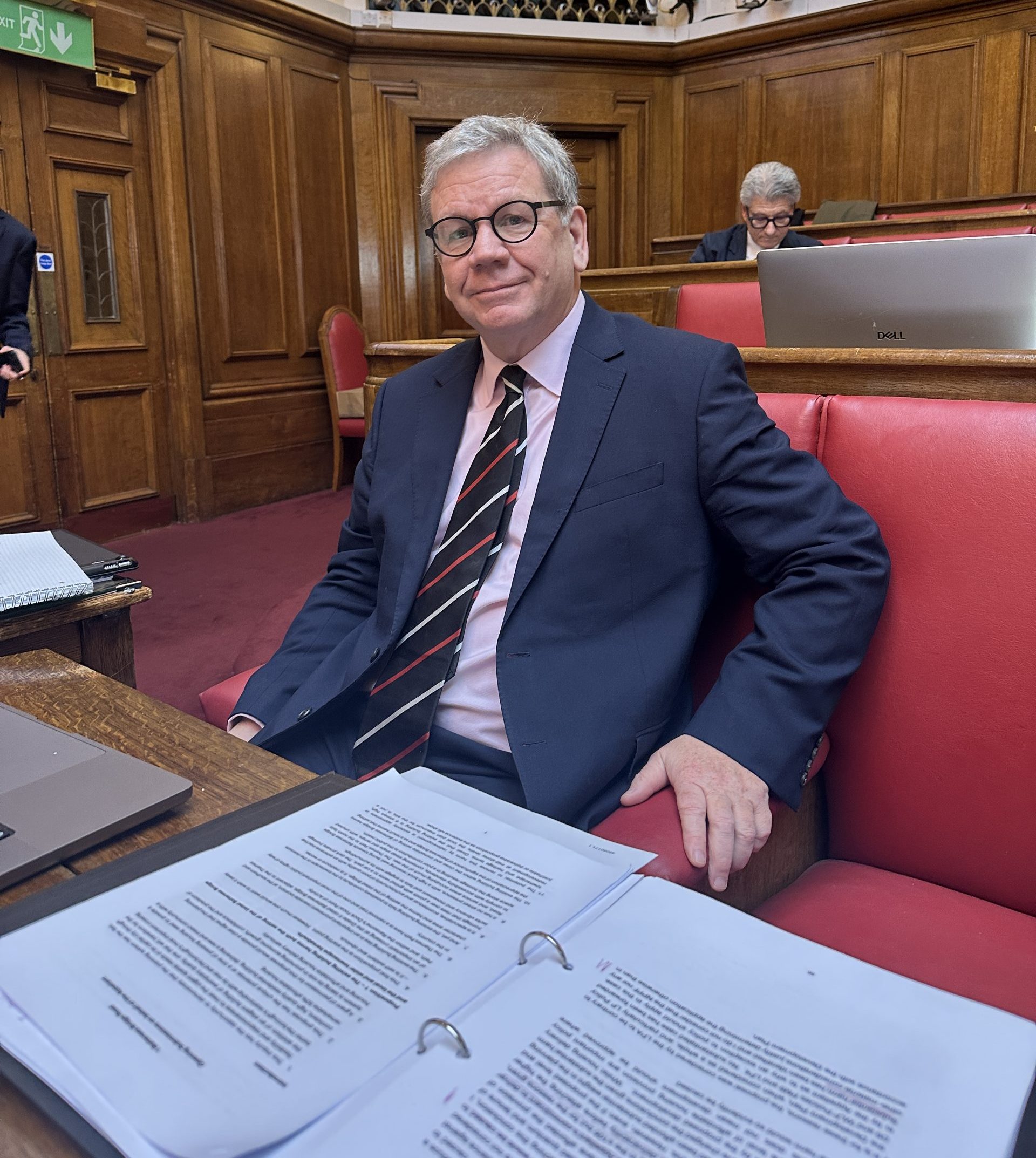
Russell Harris KC representing Rockwell Property
He reminded the inquiry the project would deliver around 100 new homes — half of them designated as socially affordable rents.
Framing the issue in stark terms, he said London faced an acute housing crisis and argued that: “a grant of permission for this proposal… would provide a clear signal the planning system is taking its role in promoting economic growth, confidence and the provision of housing and affordable housing.”
He also argued the tower would improve the area — describing it as a “landmark” building first conceived by the late, celebrated architect Sir Terry Farrell.
Far from harmful, he said, the design would enhance Battersea Bridge — calling the proposed structure simply: “elegant.”
But the council struck back.
Douglas Edwards KC, representing Wandsworth, told the inquiry the scheme flies in the face of local planning policy.
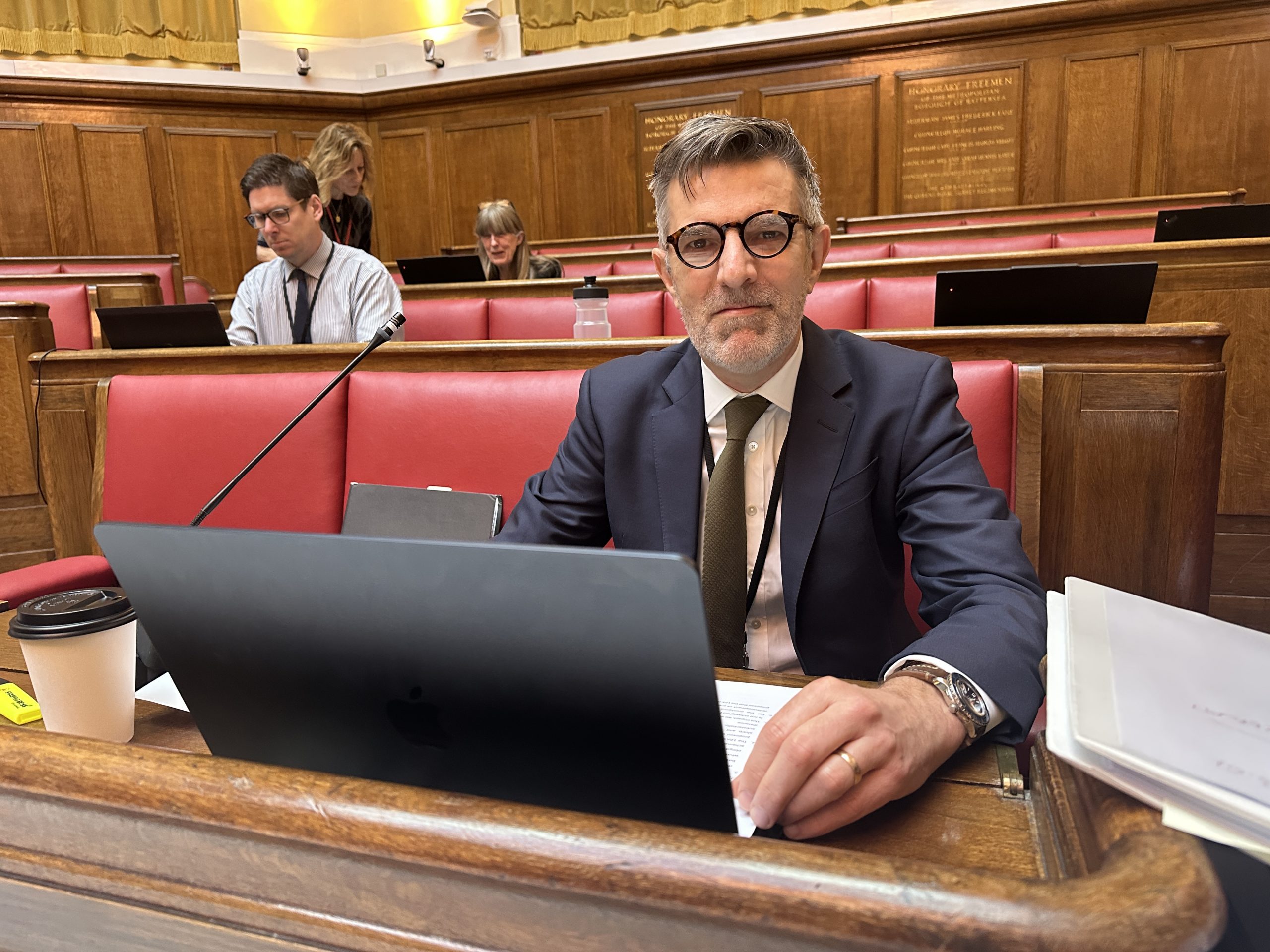
Douglas Edwards KC representing Wandsworth Council
The site sits firmly within a designated mid-rise zone, where buildings should reach no higher than six storeys — roughly 18 metres.
Rockwell’s tower would soar to more than four times that height.
“The proposed development is simply too high,” he said.
He warned it would create a “sharp and discordant relationship” with its surroundings and cause substantial harm “both localised and over a wide distance.”
While acknowledging the pressing need for housing, he concluded: “On the required balance, these benefits taken as a whole do not justify the harm caused or outweigh the statutory presumption arising from development plan conflict.”
Rockwell, however, countered that the Local Plan is out of date and should not be treated as a barrier to tall buildings. In fact, Wandsworth’s Local Plan was only rubber stamped in July 2023.
When the barristers sat down, it was the turn of local voices — and emotions ran high.
Speaking on behalf of a coalition including the Battersea Society, Chelsea Society, Wandsworth Society, Cheyne Walk Trust and Friends of Battersea Park, William Walton delivered a clear message: the tower breaks the rules.
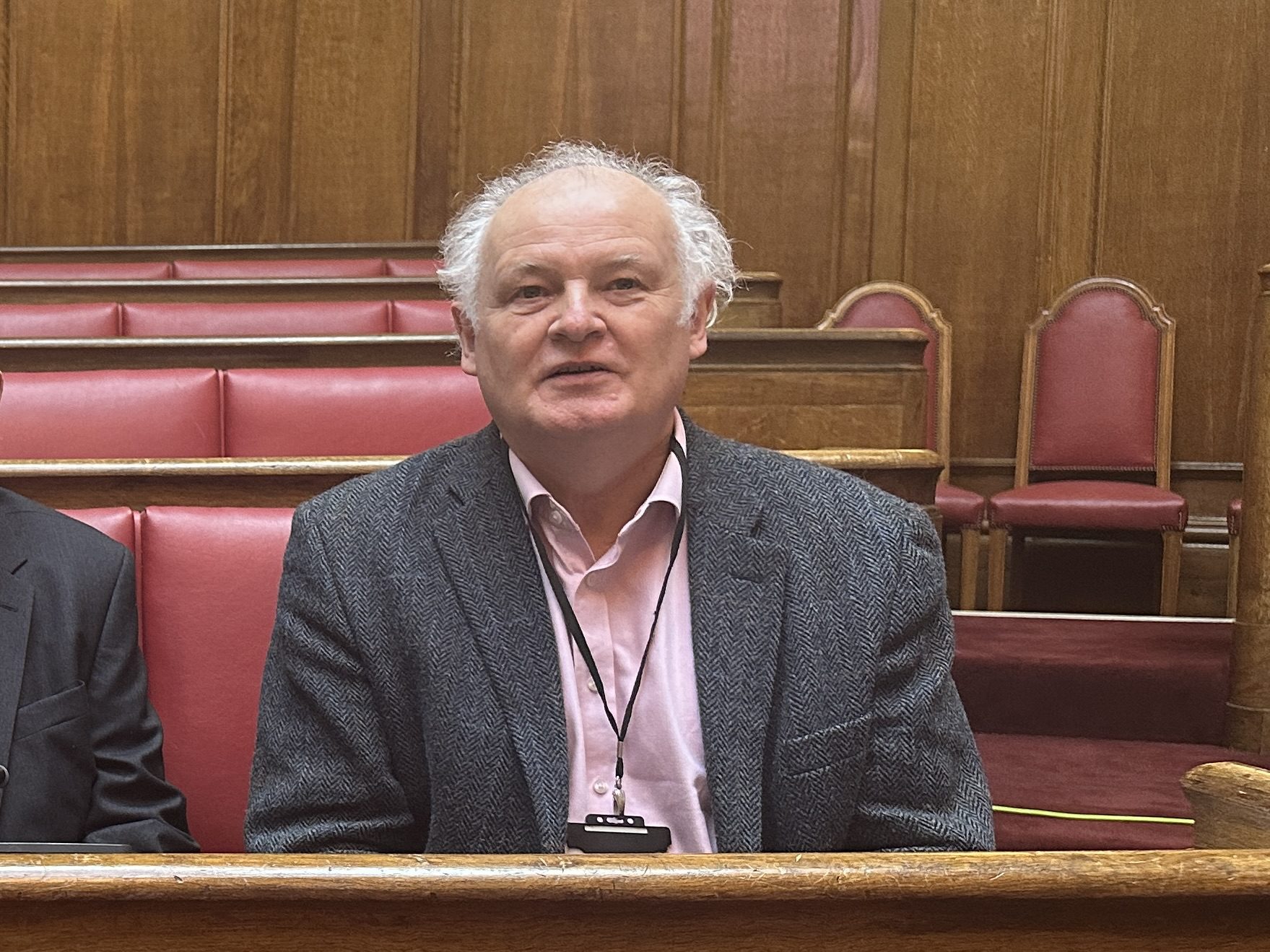
William Walton representing the Civic Societies
He said it would be: “too large, too great in mass and too high for the site’s footprint.”
Resident Sir Christopher Edwards, who lives in the Thames Walk block of apartments that would share a party wall with the new development, warned of inevitable traffic congestion, adding: “We’re not objecting to the building — it’s just in the wrong place.”
Cheyne Walk Trust chairman Colonel David Waddell raised concerns about the impact of height and light pollution, saying the harm would be severe.
Another local resident, Nelson Riddle, questioned the very purpose of the scheme: “The question is why — what does it do to enhance the community? Why such a huge building? It is very difficult to see a common answer.”
Three members of the public spoke in favour of Rockwell’s tower, including Clapham resident Mark Littlewood, who made a “heartfelt plea” for the development to go ahead.
The afternoon session saw Rockwell unveil its star witness — architect Peter Barbalov of Farrells, a key figure behind the design originally conceived by Sir Terry Farrell.
Using a series of AI-generated images showing views from both sides of the Thames, Barbalov argued the tower would sit comfortably within a growing pattern of tall buildings along the river.
He said the scheme would help complete the regeneration of the Ransome’s Dock area — once industrial, now transformed into what he described as a “creative district” of high-end homes and commercial spaces.
At one point, tensions briefly spilled over when a member of the public gallery laughed during Barbalov’s presentation — prompting a swift rebuke from Inspector Gilbert. Barbalov will face cross-examination from the council’s KC later this week.
With eight days of evidence scheduled, today’s opening made one thing clear — this is a fight neither side is willing to lose.
At stake is not just a single tower — but the future shape of the Thames skyline in one of London’s most fiercely protected neighbourhoods.
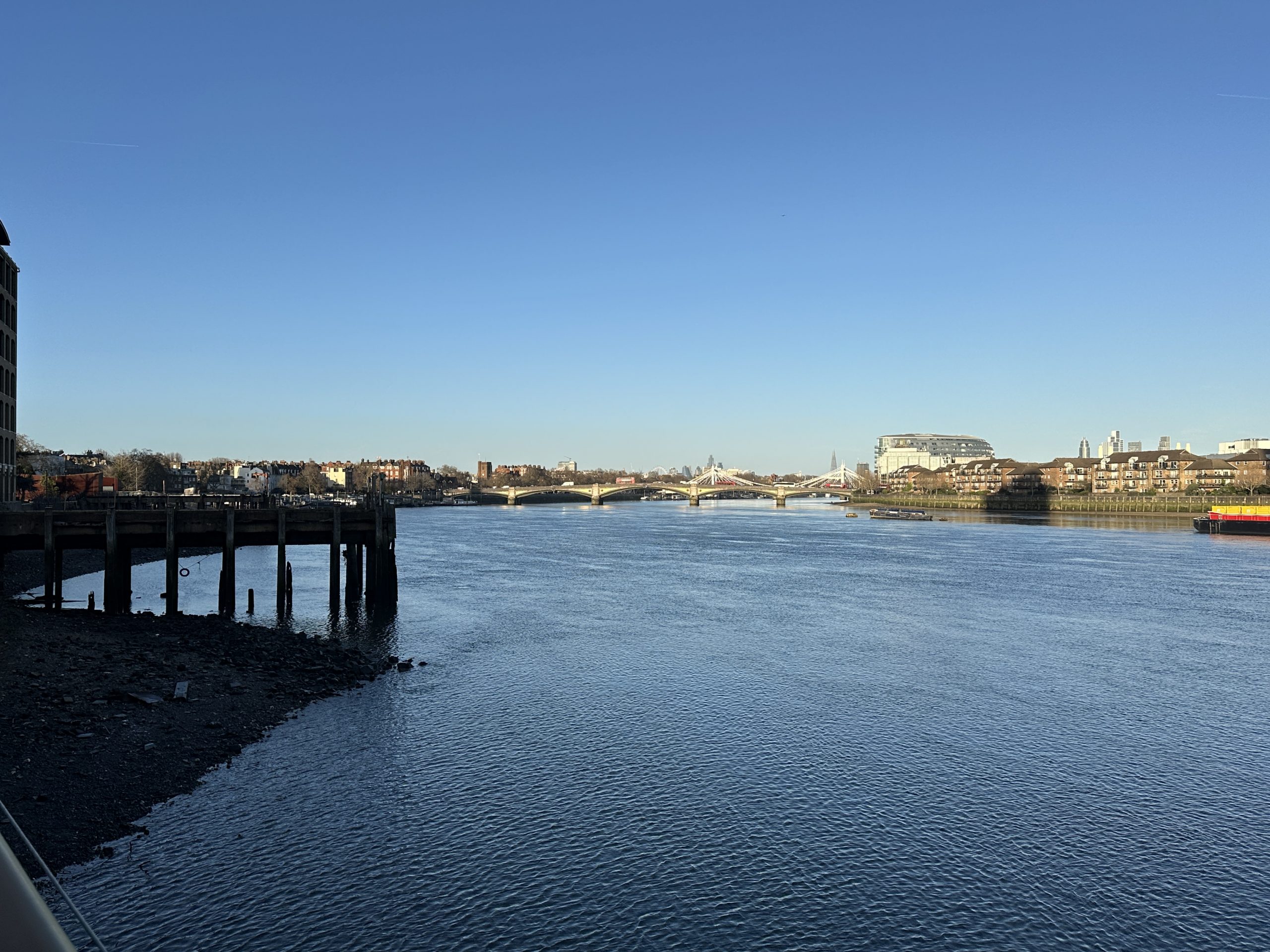
Worth battling for: A view of Battersea Bridge on the evening after the first day of the inquiry