The Chelsea History Festival returns this October with its most ambitious programme yet, bringing world-class historians, authors, performers and cultural figures to the area’s most iconic venues.
At the helm and guiding this extraordinary festival every step of the way will be Gill Webber, the Director of Chelsea Heritage Quarter.
The festival, which is supported by Lord Cadogan and his team at Cadogan Estates, has become a key fixture in the cultural calendar, attracting thousands of visitors to the district’s most treasured places, including the Royal Hospital, National Army Museum and the Physic Garden.
This year’s theme is ‘World History’, which will see a variety of events take place across four days under the inscrutable eye of this year’s Guest Curator – the BBC’s World Affairs Editor John Simpson.
The festival’s programme ranges from talks on Napoleon, China and the Second World War, to opera performances, theatre productions, family activities and walking tours. New venues that have been added to host the expanded line up are Chelsea Old Church, the Royal Court, Chelsea Theatre and Garrison Chapel at Chelsea Barracks.
The Chelsea Citizen is proud to be the media partner for this year’s festival. We will be bringing a range of latest news and interviews during the next few months, as well as providing in-depth coverage throughout the festival. We even plan to print a special newspaper for visitors to read in celebration of the festival.
Mrs Webber has spent more than four decades holding senior roles in the cultural sector. A lifelong advocate for the power of storytelling, she is particularly interested in how history shapes contemporary life and passionately believes that Chelsea is one of London’s most fascinating neighbourhoods.
Ahead of this year’s festival, reporter Olivia Blackman sat down with Mrs Webber to discuss her career, the growth of the festival, and the historical stories that fascinate her.
Tell us about your background and the career trajectory that led you to this role.
I’ve spent most of my working life in the cultural sector, including roles at the BBC, the British Library, RIBA and, most recently, Imperial War Museums, where I was Executive Director of Programming for nine years.
What has always interested me is storytelling. Throughout my career I’ve been fascinated by the relationship between history and current affairs, and by how understanding the past helps us make sense of the world we’re living in today.
Chelsea Heritage Quarter appealed to me because it’s something quite different. We’re a relatively new charity and, in many ways, a start-up. We’re building something from the ground up and bringing together some extraordinary institutions to tell Chelsea’s stories in new ways.
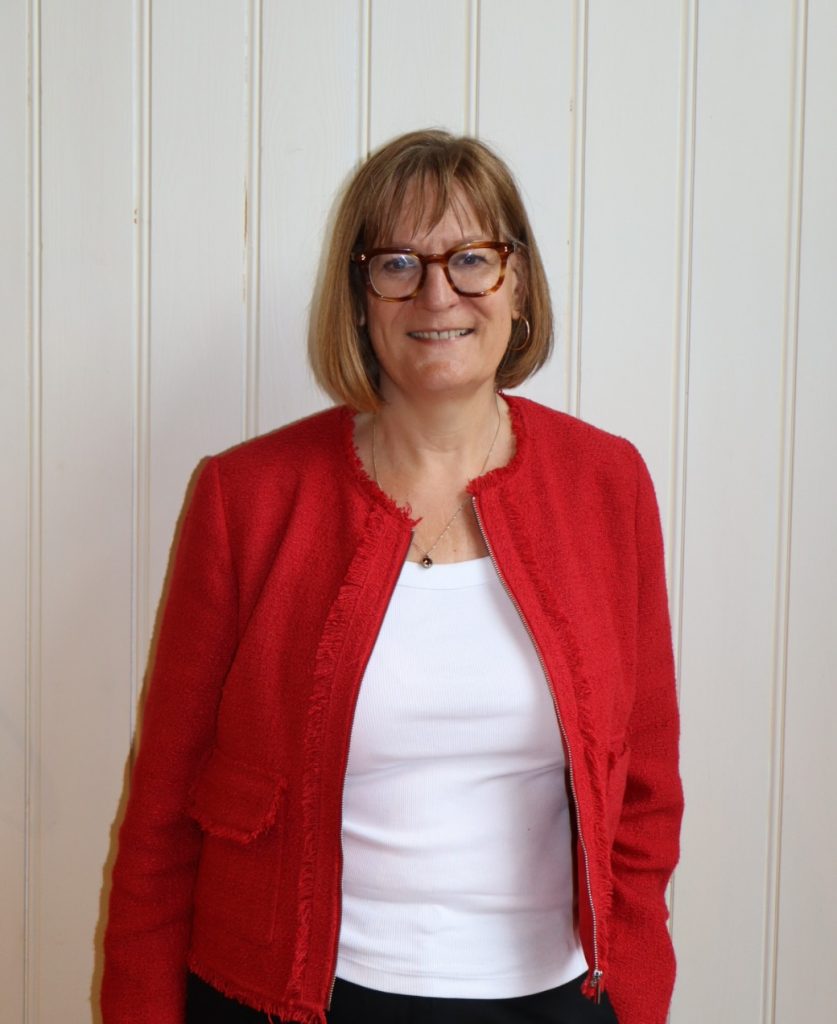
Gill Webber, Director of Chelsea Heritage Quarter
What does the Chelsea History Festival mean to Chelsea and what does it bring to the area?
Chelsea is one of London’s most storied districts. We actually call it that because wherever you look there is another fascinating story waiting to be told.
The festival has become an important part of Chelsea’s cultural calendar. It encourages people to explore the area, discover institutions they may not have visited before and engage with history in an accessible and entertaining way.
One of the things we’re particularly passionate about is helping local people rediscover what’s on their doorstep. Many people know the King’s Road, but don’t necessarily realise that just a few minutes away are some of the most significant historic and cultural institutions in London.
What can visitors expect from this year’s festival?
We’ve got a wonderfully varied programme this year, which is exactly what we wanted.
The theme is World History and we’ve worked hard to create something that appeals to a wide range of interests. We have fantastic historians and authors discussing subjects ranging from Napoleon and Charles II, to China, the Second World War and contemporary geopolitics.
But we’re also broadening the festival beyond traditional talks. We’ve introduced more performance this year, including opera, theatre and dance.
One event I’m particularly excited about is The Last Bantam, a play about the Bantam Battalions of the First World War. It’s a brilliant example of social history, telling the story of ordinary men who volunteered to serve despite being considered too short for military service.
We’ve also expanded our family programme and introduced projects created by local artists and performers. We really wanted people to come for one event and discover something completely unexpected while they’re here.
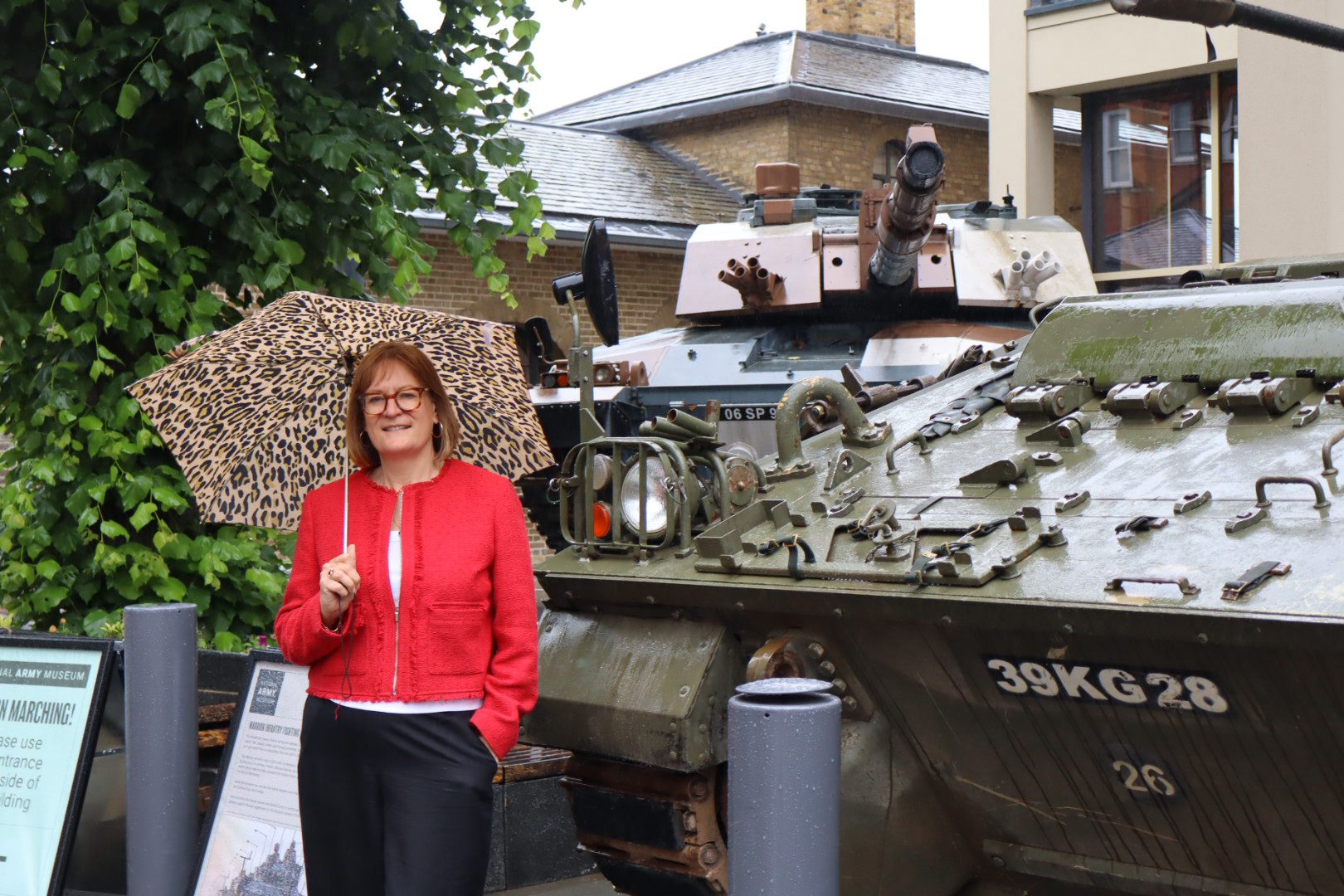

Talk us through the key venues and what they represent for Chelsea.
One of the things that makes the festival so special is its setting. Our core venues are the Royal Hospital Chelsea, the National Army Museum and Chelsea Physic Garden, each of which has its own remarkable history.
Visitors aren’t just hearing stories about history, they’re surrounded by it. You can attend an event in a seventeenth-century garden, sit in Sir John Soane’s Stable Yard or explore one of Britain’s most important military collections.
This year we’re also expanding to include venues such as Chelsea Old Church, the Royal Court Theatre, Chelsea Theatre and Garrison Chapel. The more venues we involve, the more stories we can tell and the more people we can reach.
Why is The Chelsea Citizen the right media partner for the festival?
Because we share the same belief in the power of storytelling. The festival is about uncovering and celebrating the stories that make Chelsea unique, and The Citizen does exactly this, week in, week out, through its journalism.
Local news is vital to a community and since it was launched The Citizen has given a powerful voice to so many stories and lives in the area. We also share a local audience and a genuine enthusiasm for the people, places and history that makes Chelsea so special. It feels like a very natural partnership.
John Simpson is this year’s Guest Curator. What will he bring to the festival?
We’re absolutely delighted to have John involved. The theme this year is World History and there are very few people better placed to help shape that conversation. Through his work as BBC World Affairs Editor, he has spent decades reporting on major global events and documenting history as it unfolds.
He was a long-term Chelsea resident before moving to Oxford and he is still President of the Chelsea Society, so he brings both an international perspective and a strong local connection. Most importantly, he’s a brilliant storyteller, which sits right at the very heart of what we’re trying to achieve with the festival.
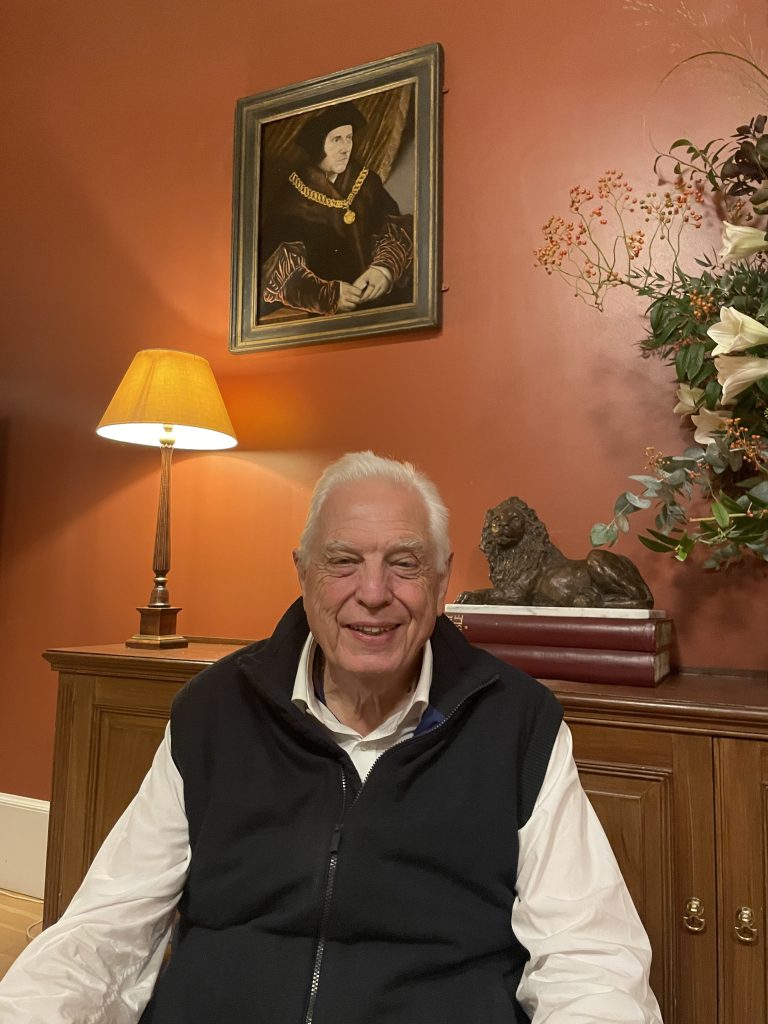
Guest Curator John Simpson
Which parts of history fascinate you most?
I’m particularly interested in social history. Although I spent nine years at Imperial War Museums, where I was naturally very focused on twentieth and twenty-first century conflict, it’s often the stories of ordinary people that I find most compelling.
I’ve always been fascinated by the impact history has on current affairs. During my time at Imperial War Museums, I worked on exhibitions covering conflicts in places such as Syria, Afghanistan, Northern Ireland and Ukraine. What interested me was exploring how the history of those regions continues to shape what’s happening there today. I don’t think you can really understand current events without understanding a bit about how we got there.
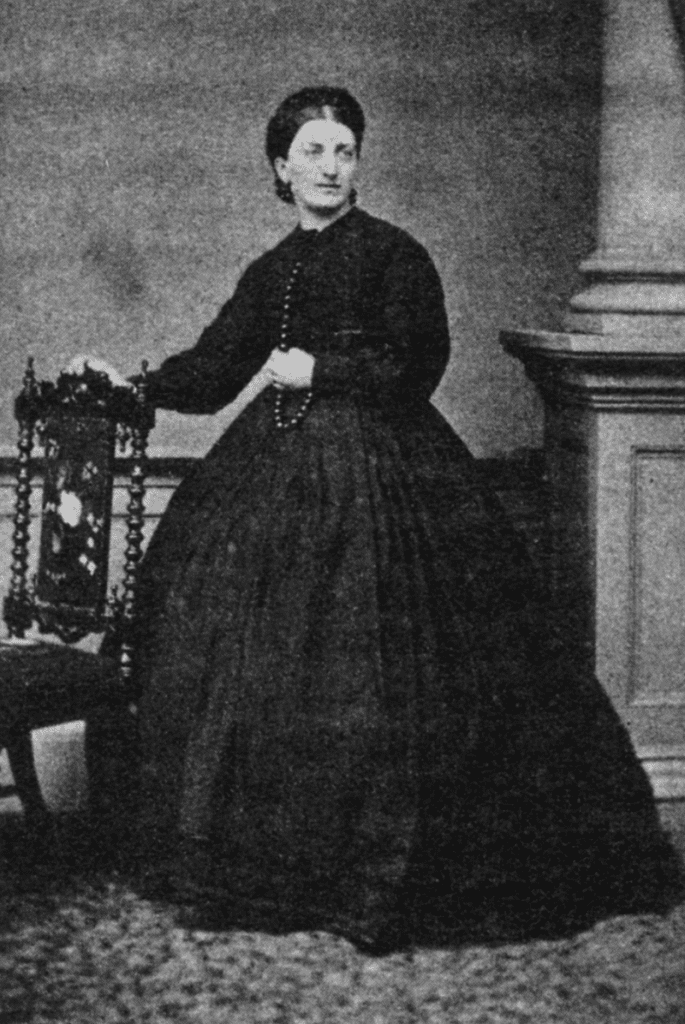
At the same time, I love the stories of individuals. One of my favourite examples is Isabella Beeton. Most people imagine her as an older Victorian matron dispensing household wisdom, but she was actually a 29-year-old journalist and magazine writer. Her famous Mrs Beeton’s Book of Household Management has become this iconic piece of Victorian culture, but her own story is just as fascinating.
-

- Author Isabella Beeton
-
- First Edition of Mrs Beeton’s famous book
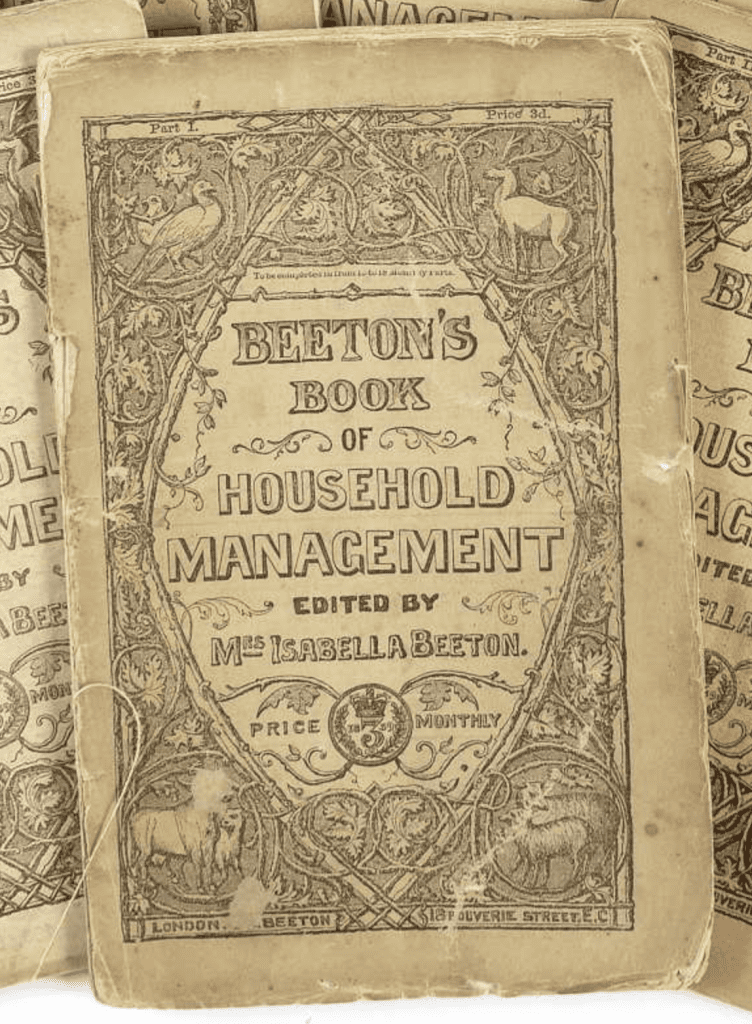
She was a pioneer of women’s journalism at a time when professional opportunities for women were incredibly limited. Through her life and work, you learn about domestic life, class, publishing and the role of women in Victorian society.
That’s what I love about social history. Sometimes the story of one person can tell you far more about a period than studying a king or queen. Those human stories are often the most revealing.
If you could book one figure from history to appear at the festival, who would it be?
Without question, Florence Nightingale – although I should probably declare an interest as Chair of the Florence Nightingale Museum!
Most people know her as the founder of modern nursing, but she was remarkable in so many other ways. She transformed healthcare during the Crimean War, became the first female member of the Royal Statistical Society and pioneered forms of data visualisation that are still used today.
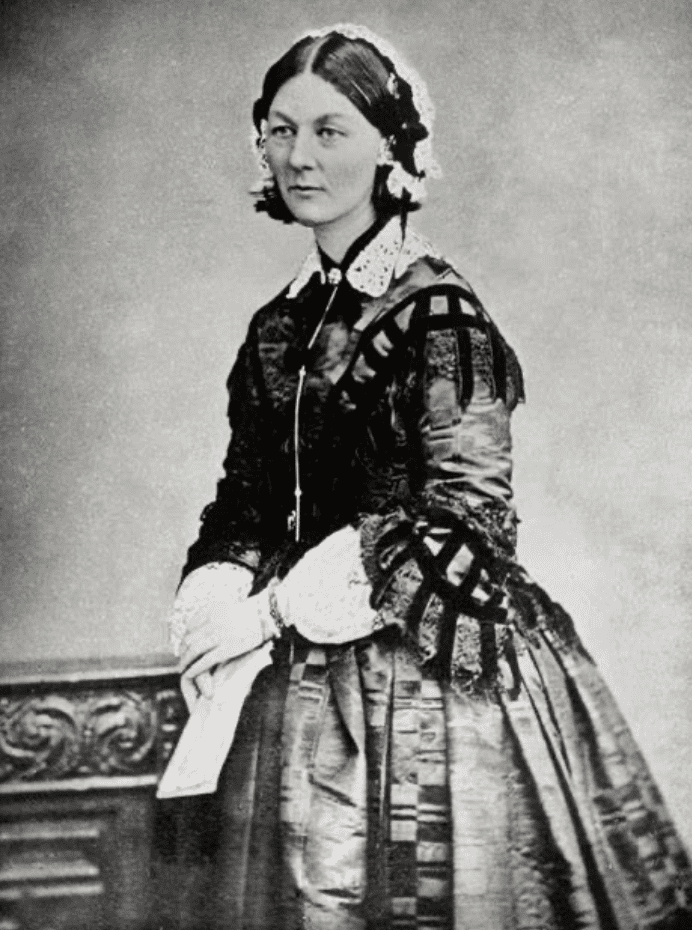
What fascinates me is that she was constantly looking for ways to improve people’s lives, whether through infection control, hospital design or even what we would now call pet therapy.
The more you learn about Florence Nightingale, the more extraordinary she becomes. She was endlessly curious, endlessly innovative and always asking how things could be done better. What a woman.
What are your ambitions for the Chelsea History Festival going forward?
We want the Chelsea History Festival to become the place for interesting discussions about history. That means continuing to grow audiences, attracting new visitors and establishing ourselves as one of London’s leading cultural festivals. We also want to keep expanding our partnerships across Chelsea and involve even more venues, artists and organisations in the years ahead.
Chelsea has an extraordinary history and a remarkable collection of cultural institutions. Our ambition is to make sure as many people as possible have the opportunity to discover them and enjoy the stories they have to tell.
Photos: Olivia Blackman
For details about events and tickets for this year’s Chelsea History Festival visit HERE