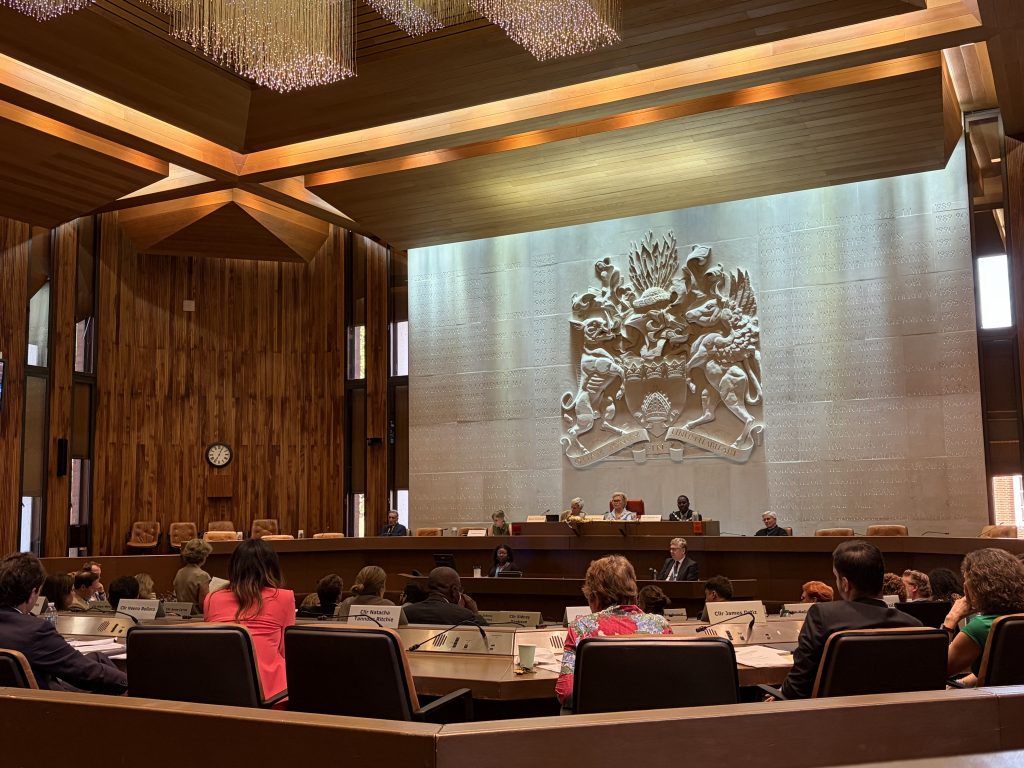
From The Citizen’s customary front-row perch on the Town Hall press bench, our faithful municipal eavesdropper John Cookson watched Kensington and Chelsea’s newly elected mayor – Cllr Janet Evans (Courtfield) – preside over her first full council meeting.
The Borough’s new First Citizen swept into the chamber in a fetching baby-blue cotton, calf-length dress, the ancient gold mayoral chain resting across her shoulders like something borrowed from the Crown Jewels.
Outside, London was slowly roasting. They were calling it the hottest day on record. Inside, democracy was being conducted in more comfortable, cooler surroundings.
The Lady Mayor’s opening words were not about civic duty, constitutional propriety or the burdens of office.
“Thank you for the lovely air conditioning!” she purred. A woman after the public’s heart.
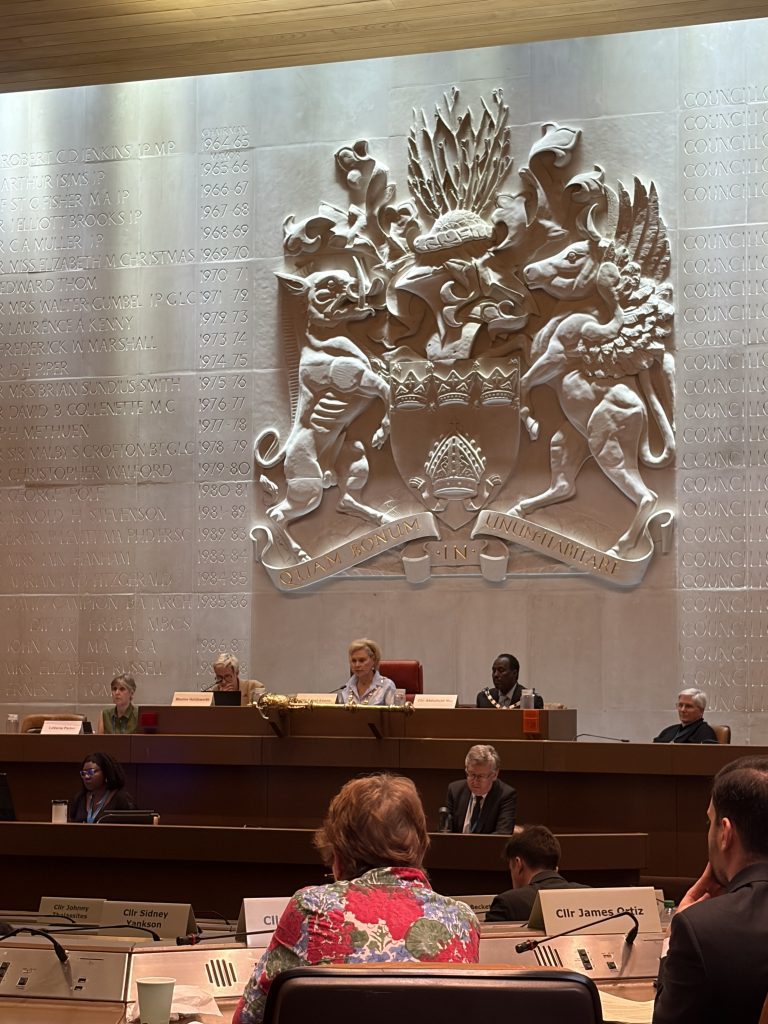
Raised on Manhattan’s Upper East Side, where confidence is practically compulsory, Evans carries herself with an easy, Mid-Atlantic burr. Beside her sat RBKC chief executive Maxine Holdsworth, part constitutional adviser, part stage manager, part horse whisperer, gently steering the newcomer through the mysteries of standing orders and municipal etiquette.
Then came the speeches.
Conservative council leader Elizabeth Campbell (Royal Hospital) was still basking in the warm afterglow of May’s local election triumph, in which the Tories tightened their already formidable grip on the borough. Sporting her trademark horn-rimmed spectacles, the Conservatives’ indefatigable head girl could scarcely conceal her satisfaction.
She reminded members that Labour’s share of the vote in North Kensington had fallen by twelve percentage points. “Our residents realise this Labour government isn’t for them, and the Labour group on this council are no better,” she declared.
One almost felt sympathy for the 13 members of the Labour group. Facing Kensington’s Conservative benches is rather like attending a vegan conference inside Smithfield Market. However eloquently one pleads for lentils, the room remains stubbornly devoted to beef.
Labour leader Monica Press (Colville) was widely expected to unleash a retaliatory broadside. Instead she gently holstered the artillery before it had even been loaded. “I’ve dealt with the key issues around the election,” she announced. “So I’m not going to go there tonight.”
Instead, she pivoted towards climate change, a subject considerably safer than reopening the electoral wounds.
By Item No.9, the Lady Mayor had settled comfortably into the chair. Councillors turned to the Community Safety Plan, one of those worthy documents that attempts to tame society’s more unpleasant habits through committees, partnerships and determined optimism.
Drug-related crime, antisocial behaviour and violence against women and girls featured prominently. The proposed remedies included tougher action against drug dealing, stronger enforcement against persistent antisocial behaviour and greater support for victims of domestic abuse and sexual violence.
The proposals found support from Conservative Johnny Thalassites (Holland) and newly elected Labour councillor Jack Reason (Colville), delivering his maiden speech.
Reason has the appearance of an industrious sixth-form prefect who accidentally wandered into local government and discovered he rather enjoys it there. Fresh-faced, meticulously prepared, he spoke with the quiet confidence of someone who had read every appendix, annex and footnote before breakfast.
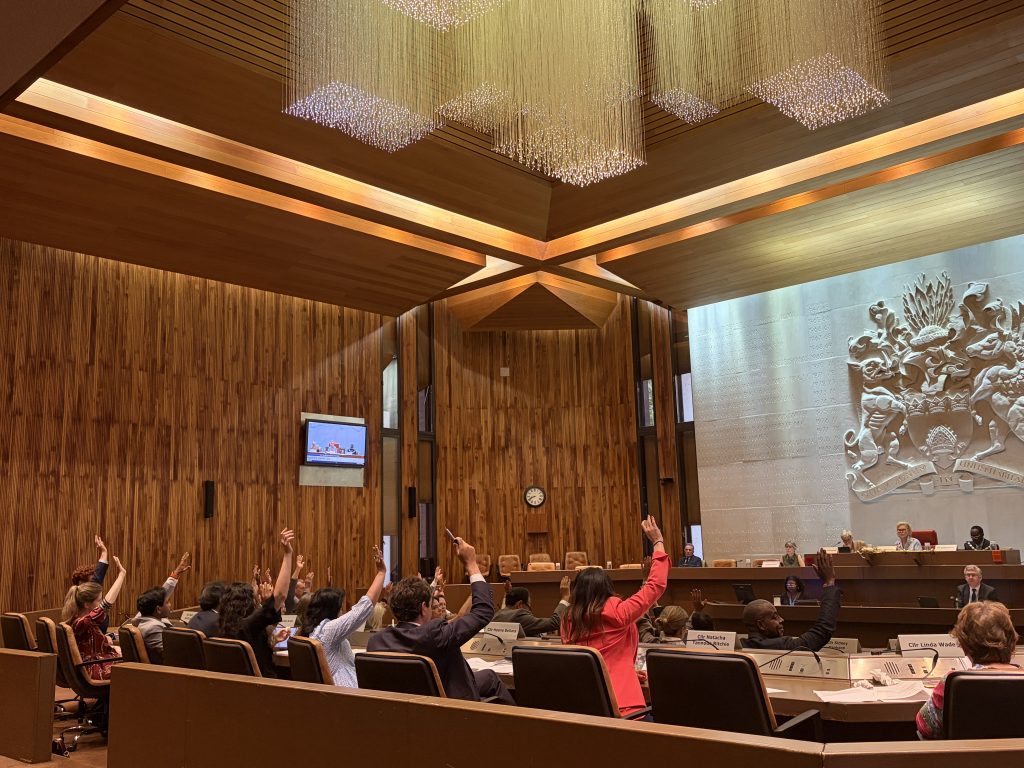
Two hours in, proceedings drifted into that strange municipal twilight where concentration begins to wilt. Four Conservatives slipped discreetly out for “urgent consultations with the facilities”. Their temporary absence encouraged Labour’s Claire Simmons (Notting Dale), representing the self-styled Republic of North Kensington, to introduce a motion urging the council to embrace the doctrine of “Do No Harm”.
It was one of those propositions so impeccably virtuous that voting against it risked placing one somewhere between Attila the Hun on a particularly irritable afternoon and the fellow who proof-read Hitler’s speeches.
After Grenfell, residents understandably want a council that listens, learns and avoids compounding mistakes. On that principle there was broad agreement. The difficulty lay not in the sentiment but in the prose.
Simmons’s motion wandered enthusiastically through the vocabularies of medicine, international diplomacy and postgraduate ethics seminars. “Non-maleficence” made several appearances. It is not a word frequently heard echoing around Kensington Town Hall and one sensed more than a few councillors mentally reaching for an Oxford English Dictionary.
The Conservatives remained unimpressed. Veteran councillor Kim Taylor-Smith (Stanley) dismissed “Do No Harm” as “a slogan, not a policy.”
The motion disappeared beneath the Conservative voting machine with all the inevitability of a snowball entering a blast furnace.
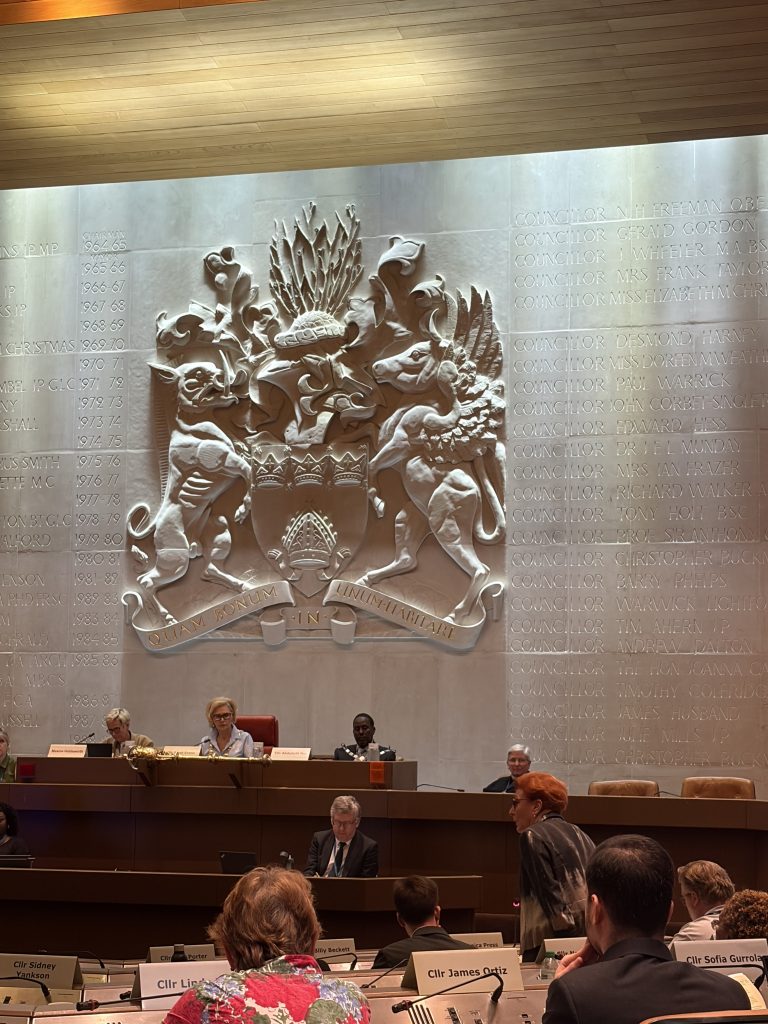
The evening’s final act addressed one of modern Kensington’s greatest civic afflictions: abandoned hire bicycles. Cllr. Greg Hammond’s (Courtfield) motion generously acknowledged that Lime and Forest bikes are cheap, convenient and widely appreciated.
They also possess the extraordinary ability to finish almost every journey lying sideways across the pavement like wounded gazelles abandoned on the Serengeti.
The Conservatives praised the council’s efforts to herd these mechanical tumbleweeds into designated parking bays, but argued Whitehall should grant tougher enforcement powers. More pressure on City Hall, heavier penalties for operators and greater confiscation powers for council officers all featured prominently.
The debate produced another maiden speech, this time from Conservative newcomer, the exotically named: Marc Goldfinger (Norland).
“We must use e-bikes properly and within reason. We need rules,” he observed.
Mayor Sadiq Khan’s Holland Park roundabout cycle scheme received its customary drubbing, while the Metropolitan Police were gently reminded that red traffic lights apply to cyclists every bit as much as they do to motorists.
By half past nine, even the hardiest veterans were beginning to wilt. After so much hot air, even the air conditioning was struggling to do its job.
The Lady Mayor finally drew proceedings to a close before disappearing into the Mayor’s Parlour, accompanied by RBKC’s equivalent of Black Rod, perhaps in search of something restorative after three hours of municipal combat.
I caught her before she escaped.
“How did your first council meeting go?”
“Excellently,” she beamed. “Everyone got on very well. They all behaved themselves.”
Then, with the optimism peculiar to newly elected mayors, she added:
“We have a wonderful council.”
Photos by Louis Palmer