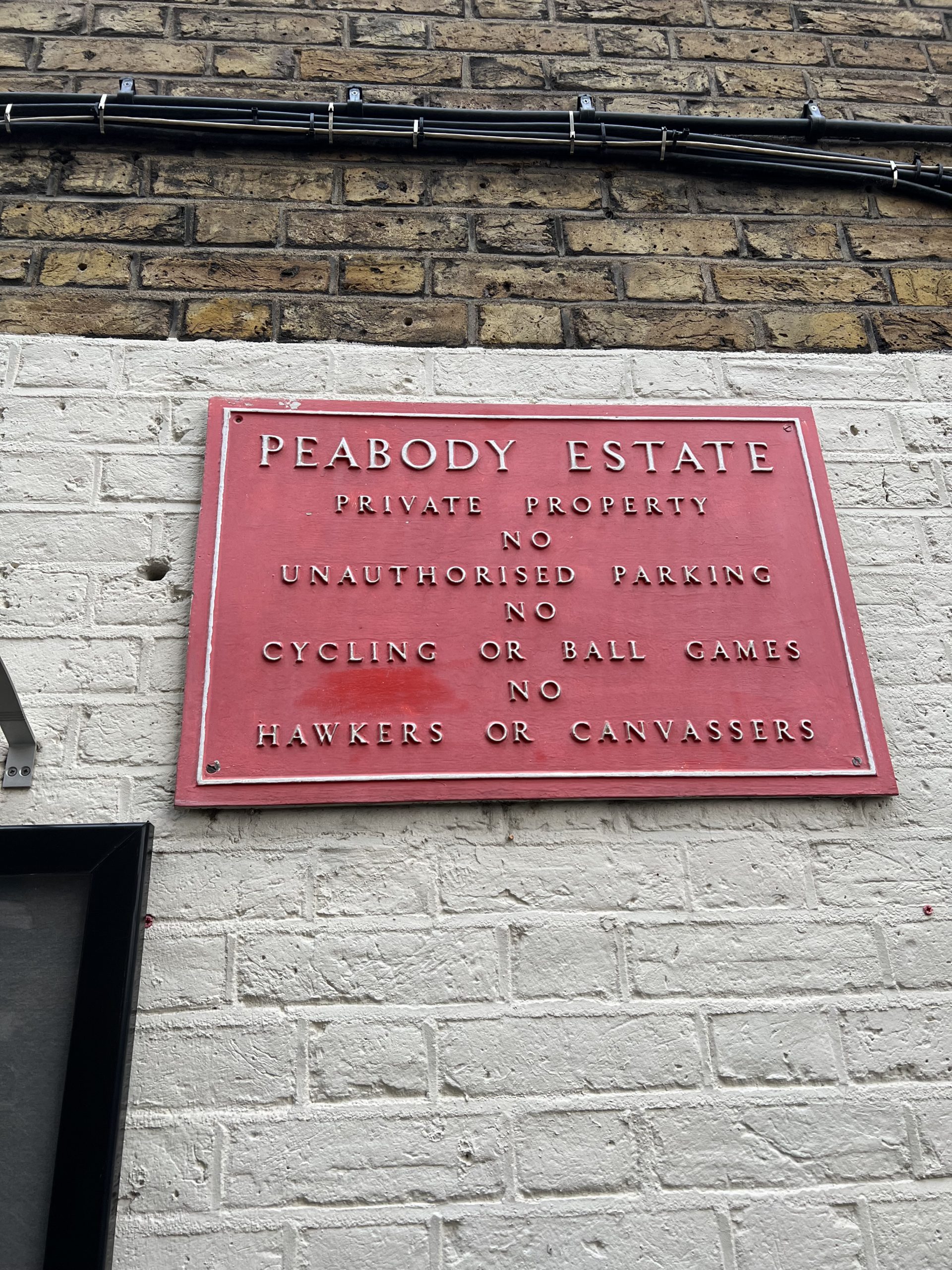
The boss of Chelsea’s world famous Royal Hospital has assured anxious social housing tenants they won’t be kicked out of their homes when a crucial lease runs out in 16 months.
Facing a packed — and at times heated— public meeting, CEO David Richmond tried to calm nerves. “Let me make clear — we have no intention of seeing people move out of their properties,” he declared.
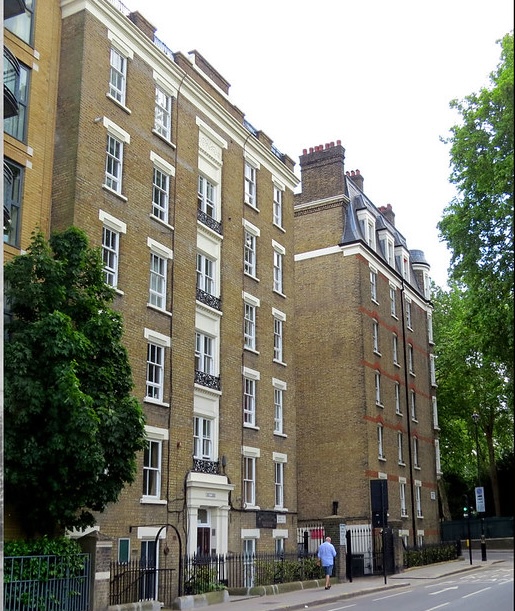
But worried families aren’t convinced. They fear the estate owner Royal Hospital Chelsea and social-housing giant Peabody are deliberately dragging their feet on lease-extension talks — paving the way to knock down three blocks known as Chelsea Gardens Estate and Wellington Buildings, in Ebury Bridge Road, and replace them with luxury flats for the wealthy buyers.
One furious resident, who asked not to be named, told The Chelsea Citizen: “We believe we’ve been lied to for years. We don’t trust the Royal Hospital or Peabody.”
The showdown, hosted at the nearby Energy Garden on Wednesday evening (19th November) by local MP Rachel Blake, was standing-room only. Residents demanded straight answers about the stalled negotiations — and what will happen to them if the lease deal collapses.
Then came the moment that caused surprise: Savills’ consultant Andy Smith revealed that if Peabody and the Royal Hospital fail to strike a new agreement, the Royal Hospital itself would become the tenants’ landlord, an announcement that sparked a flurry of questions over possible rent rises.
As background to this long running saga, the socially responsible Royal Hospital — home of the iconic Chelsea Pensioners — is itself under strain.
According to its latest annual financial report, it received almost £14 million from the Ministry of Defence. Charitable donations and lease extensions and rents brought in another £13 million. But the report bluntly warns: ‘The outlook for the next few years is challenging.’
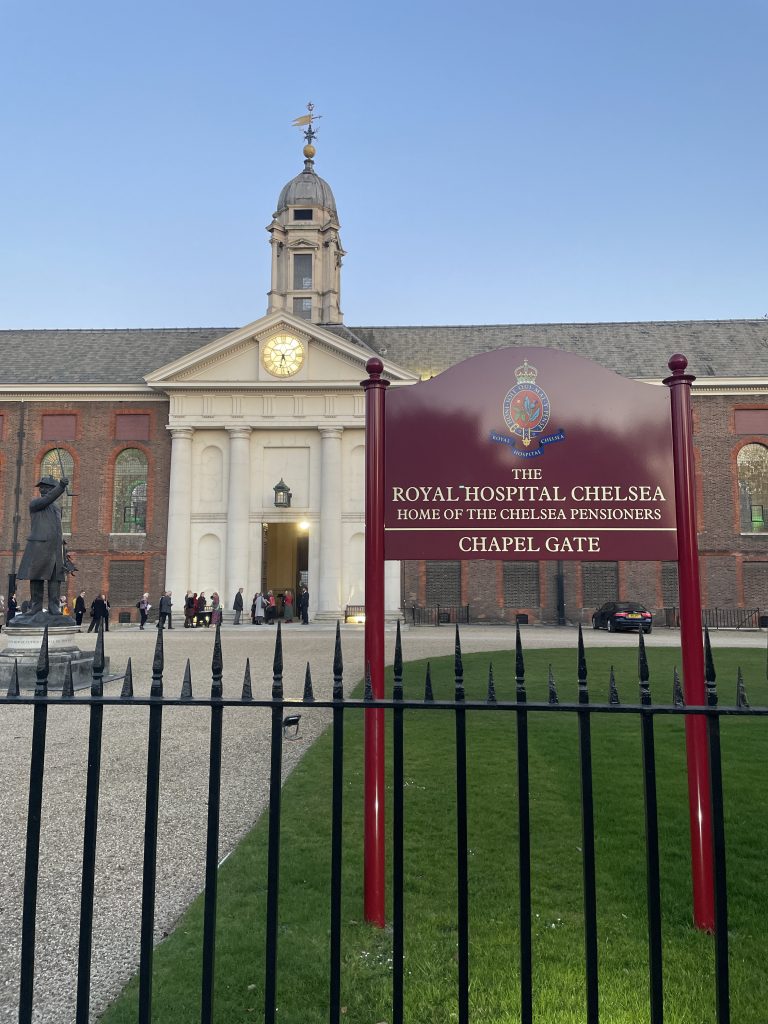
The Hospital insists it doesn’t want to squeeze income from social housing — but admits financial pressures are forcing it to look everywhere for savings.
Chelsea Gardens and Wellington Buildings sit side by side, Victorian tenements once home to Chelsea’s working poor. With protected social housing rents — some tenants, from 68 countries, pay just £700 a month — it’s a world away from the swanky neighbours across the road: the £2.5 billion Chelsea Barracks super-development, where a two-bed flat commands an eye-watering £22,000 a month.
Suspicions that demolition was on the cards hardened when residents unearthed minutes of a 2017 Savills’ meeting attended by 15 of London’s biggest housing associations, including Peabody.
The session discussed ‘stock rationalisation’ — code, critics say, for selling off or redeveloping social homes in prime-value postcodes. Attendees debated whether social housing in areas like Chelsea should be sold off to fund new development in cheaper outer boroughs. Opponents say it’s a fast-track to wiping out affordable homes in central London.
Those notes may not have been official policy — but they offered a rare, unsettling glimpse into how some of London’s most powerful housing bodies view estates in ultra-valuable neighbourhoods.
Despite last night’s assurances, Chelsea Gardens and Wellington Buildings’ tenants remain worried that Royal Hospital’s failure to agree a new lease with Peabody could lead to their eviction and the bulldozing of their homes.

The Royal Hospital’s CEO David Richmond ©Supplied
But, after the meeting, Royal Hospital CEO David Richmond doubled down, telling The Chelsea Citizen: “We don’t want to become a social housing landlord. I’m pretty confident we can reach an agreement with Peabody.”
Pressed on the sticking point in negotiations, he admitted: “We need to save some money and make a modest increase in income… we’re under the same pressures as any household. We need to close that gap somehow.”
And Peabody’s Matthew Foulis added: “Residents have an understandable level of frustration. We’re not there yet, but there’s goodwill on both sides.”
MP Rachel Blake promised to help mediate and arrange another meeting in the New Year: “I think we are getting closer to an answer for residents, but both parties still have a lot of work to do.”
As the meeting broke up, families headed into the night no clearer — and no less suspicious — about what’s coming next. One resident summed up the mood: “I’m still very sceptical. It’s watch, wait… and see.”
The Royal Hospital was contacted for an official statement.
Photos by John Cookson