‘A quiet, multi-layered play with wit, warmth and melancholy that draws you in and leaves its mark. It has “rasa’ in abundance’
FOUR STARZ
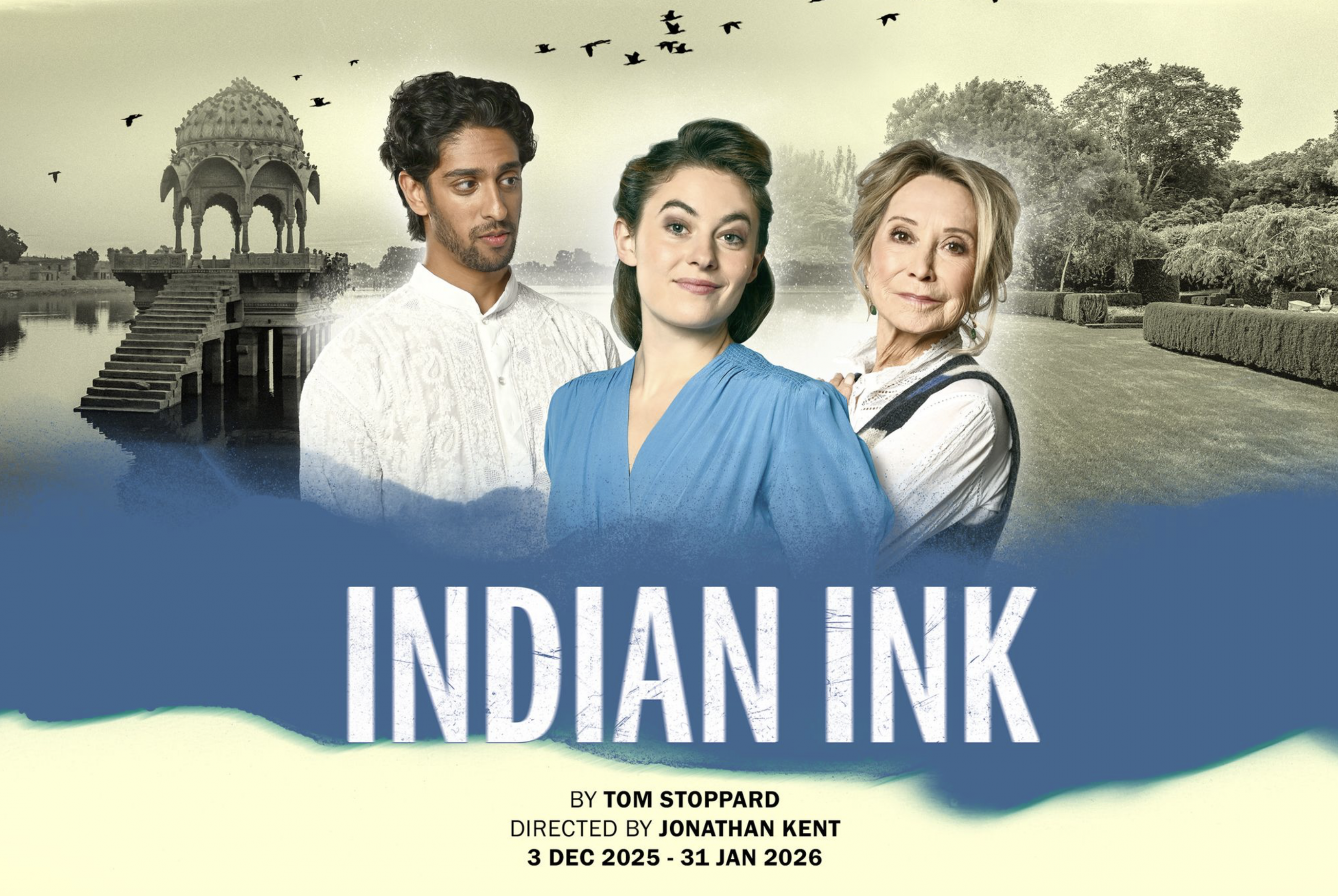
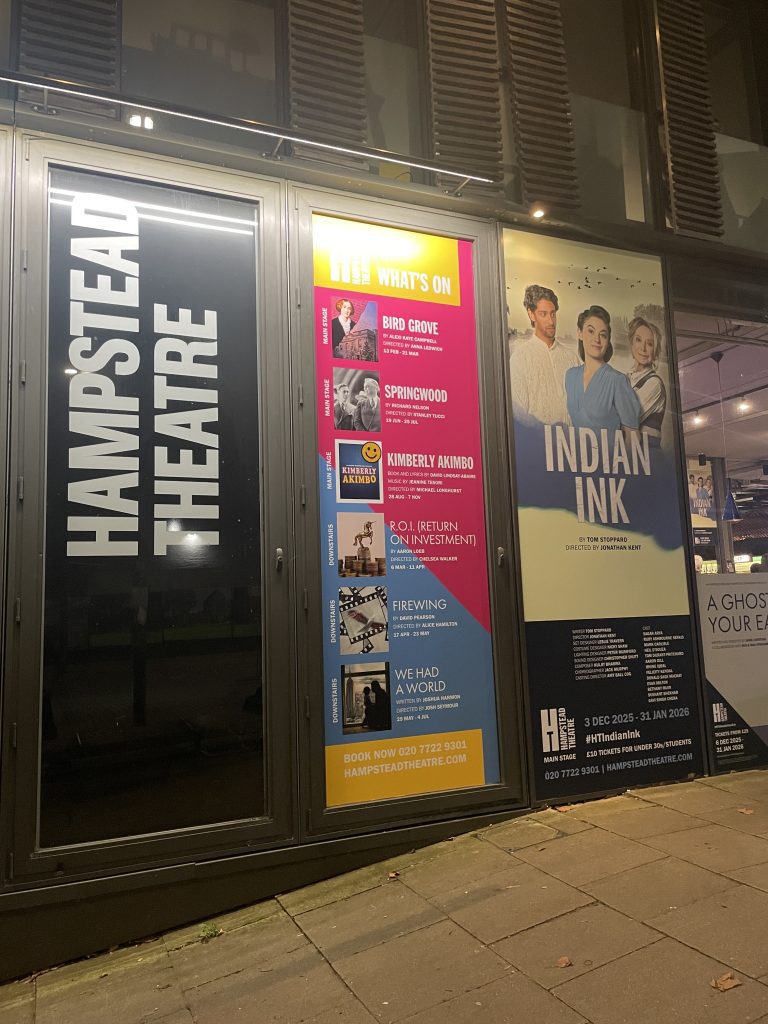
1930, India. Flora Crewe, a noted Bloomsbury Group poet, undertakes a journey through India for her health. Free-spirited and without social inhibitions she unsettles most people she meets, but secretly captivates Nirad Das, a handsome Indian painter.
1980s England. Flora’s sister, Mrs Swan, is visited by an American biographer trying to uncover exactly what took place on the trip – and then Das’ son appears in her garden with a painting of Flora by his father – a nude…
Satirising the self-importance of both academia and the ruling class, Tom Stoppard’s Indian Ink is an evocative meditation on art and love, exploring how creativity can bridge even the most profound cultural barriers.
This is the first major revival of Indian Ink since 1995, when Felicity Kendal created the role of Flora Crewe. She returns to play Mrs Swan.
The Playwright: Tom Stoppard was a colossus of the theatre with a career that brought critical acclaim across 60 prolific years. He died on 29th November, aged 88, just a few days before this revival of Indian Ink opened.
The Director: Jonathan Kent directs in his first collaboration with Stoppard. His Hampstead credits include House of Games, Double Feature, The Forest and Good People.
The Review
It is not often you that you can leave the Royal Borough for Hampstead to see a play set in India and hear the affection for Chelsea. But this is not any play, this is Indian Ink by Tom Stoppard, a resident of Chelsea for many years.
It was amusing to hear many references to the area in the text – Cheyne Walk, Old Church Street, Fulham Road, Chelsea Arts Club. Stoppard was living at Chelsea Harbour (he would frequently pull up in his old BMW 5 Series to use the post box in Lots Road) whilst he was writing the play in the early 1990s. He was also then in a relationship with Felicity Kendal, who was also living in Chelsea. He wrote the play for her. It opened in the West End in 1995. She played your Flora Crewe back then and returns here as her elderly sister, Mrs Swan.
Kendal is wonderful in the elderly role. She delivers Stoppard’s snippy, dry humour with wry aplomb and ably reveals the varying sides to Mrs Swan’s character, from her tenderness and vulnerability, to her world-weary witty disdain and melancholy.
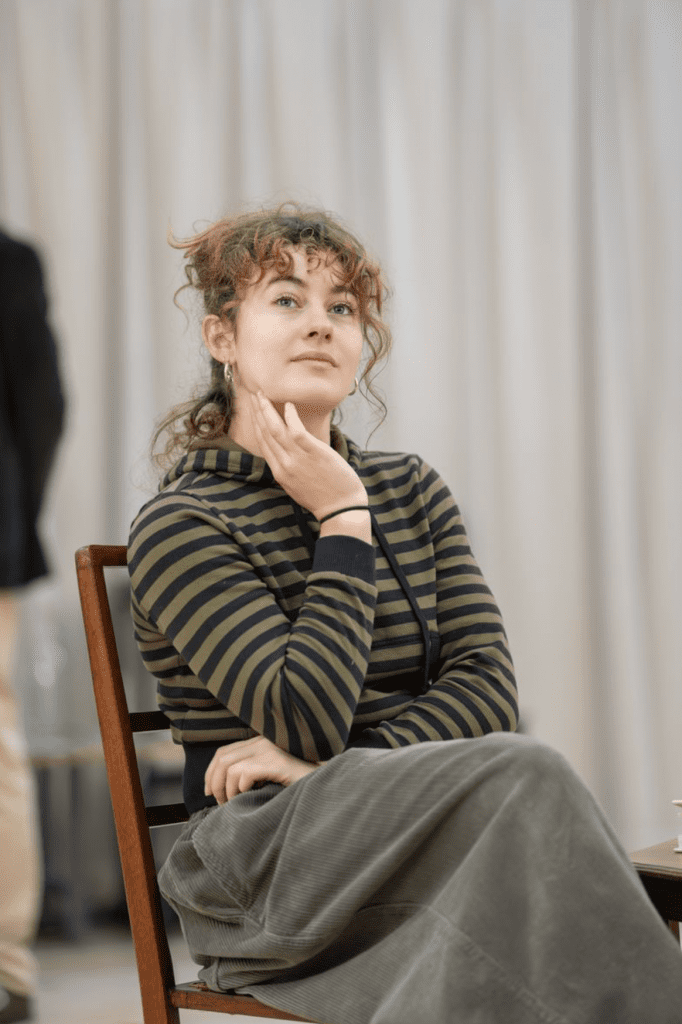
Fulsome praise to Ruby Ashbourne Serkis, who plays Flora Crewe, the role made famous by Kendal all those years ago. This is a bravura performance that is delivered with great charm and energy. She has warmth and skill. Bravely, Ruby even appears fully nude for a fleeting second. Praise also goes to Gavi Singh Chera, who is colourful and exhuberant as the artist Nirad Das.
There is a poignant exchange in one scene between Flora and Nirad as he paints her portrait. He despairs at his work for the day because he is struggling to find his energy for the painting. He says that the session between them lacks “rasa” – the Sanskrit word to reflect essence and energy.
This play has a palette full of “rasa”. But it is not showy or loud. Its meaning is delivered gently, with thoughtful dialogue and carefully crafted performances. Indian Ink leaves its mark.
Four Starz

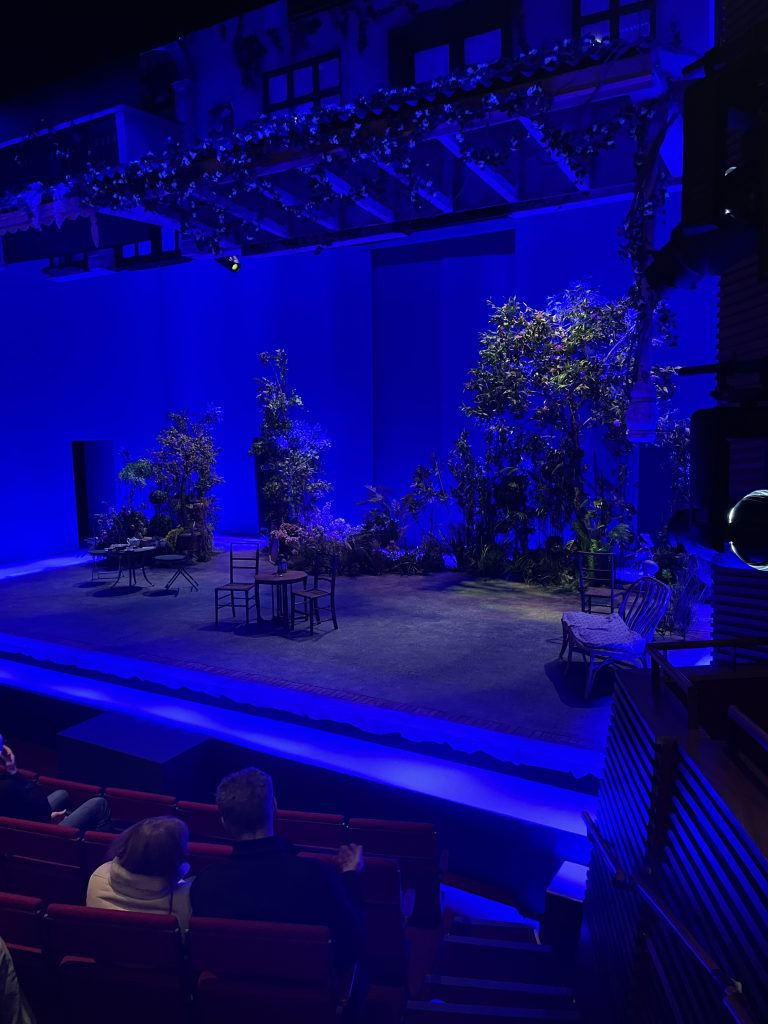
-

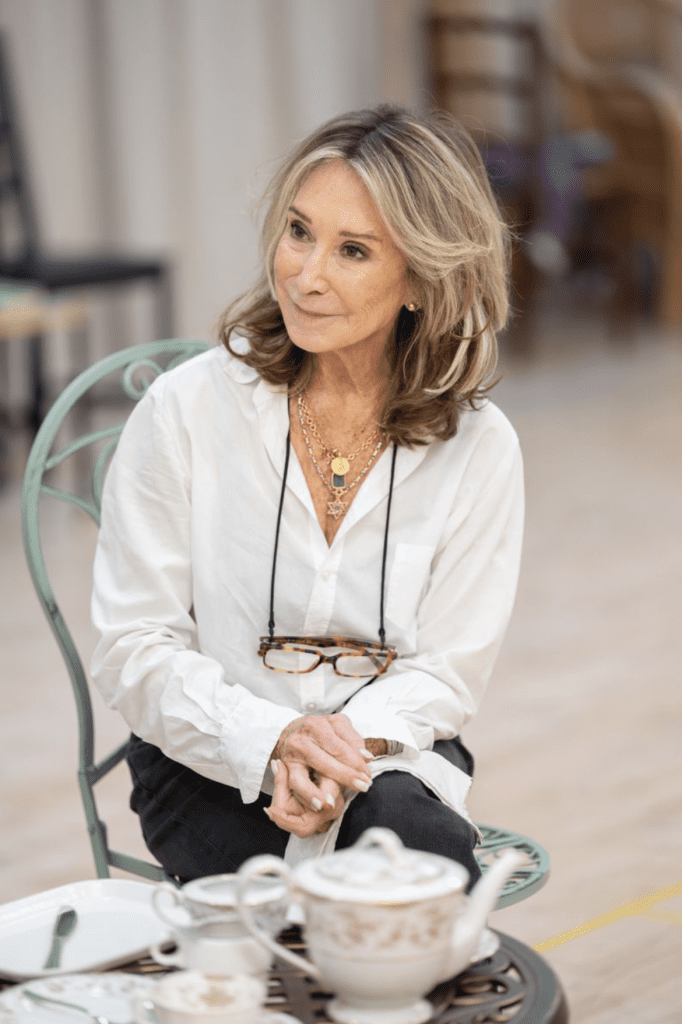
- Felicity Kendal
-
- Ruby Ashbourne Serkis