Kensington and Chelsea residents face a council tax rise of up to 70% as the Town Hall prepares to consult on increases that would add hundreds of pounds to household bills.
The extraordinary proposal comes as RBKC warns that Government funding reforms will strip more than £100 million from its resources, forcing a fundamental rethink of how local services are paid for and delivered.
Residents will be asked to consider three options: continuing with annual increases of around 5%, or imposing a rise of either 65% or 70% in 2027/28, followed by further annual increases of 5%.
The higher increases would establish a permanently higher starting point for future bills.
Deputy Leader Cllr Emma Will, the Council’s lead member for finance, acknowledged that the prospect would be “deeply worrying”.
“This is not a proposal I ever wanted to bring forward, but the Government’s unfair funding review has left us facing an almost impossible financial challenge,” she said.
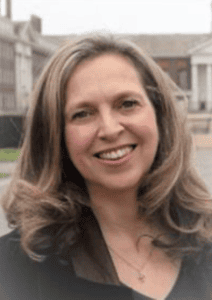
Cllr Emma Will
“We have spent years keeping council tax low and managing public money carefully. Now, instead of being rewarded for that record, we are effectively being punished for it.”
Kensington and Chelsea is among the London authorities being allowed to raise council tax above the usual referendum threshold for two years without putting the increase to a local vote.
That leaves the forthcoming consultation as a crucial opportunity for residents to challenge the proposals before councillors settle the budget.
Council leaders are due to discuss the plans on Wednesday, November 11, with consultation expected to open the following day. A final decision is due when the budget is set in March 2027.
The Council says the financial squeeze comes despite substantial savings already made, with more still planned.
“Even after finding more than £50 million in savings, with over £65 million more to come, we must act now or face even tougher choices in the future,” Cllr Will said.
RBKC puts the expected reduction in its financial resources at £17.9 million in 2026/27, followed by a further £91 million between 2027 and 2031. It says the sharpest impact will come in 2029/30, when transitional funding arrangements are due to end.
Households qualifying for council tax reductions would retain the same percentage discount under the proposals. However, residents receiving only partial relief would still face higher payments as the underlying charge increased.
A fundamental review of how services will be delivered and funded has yet to be considered, leaving residents awaiting the detail of what their higher payments would protect—and what could still be cut.
“I will not pretend these are easy decisions,” Cllr Will said.
“We will listen carefully to residents before deciding what happens next, and my priority remains protecting the services that matter most, making every penny count and continuing to fight for a fairer deal from Government. Our residents deserve nothing less.”
For residents, the question is painfully simple: how much more will they pay—and what will they get for it?