Officers in Kensington and Chelsea challenged illegal street trading more than 400 times during a 12-week summer crackdown, resulting in more than 50 fines of £150 being issued and two hot dog carts being seized, according to the council.
Two additional officers carried out 1,260 hours of patrols between 17 July and early October, targeting hotspots including the King’s Road and Exhibition Road.
The patrols aimed to protect residents, visitors and legitimate businesses.
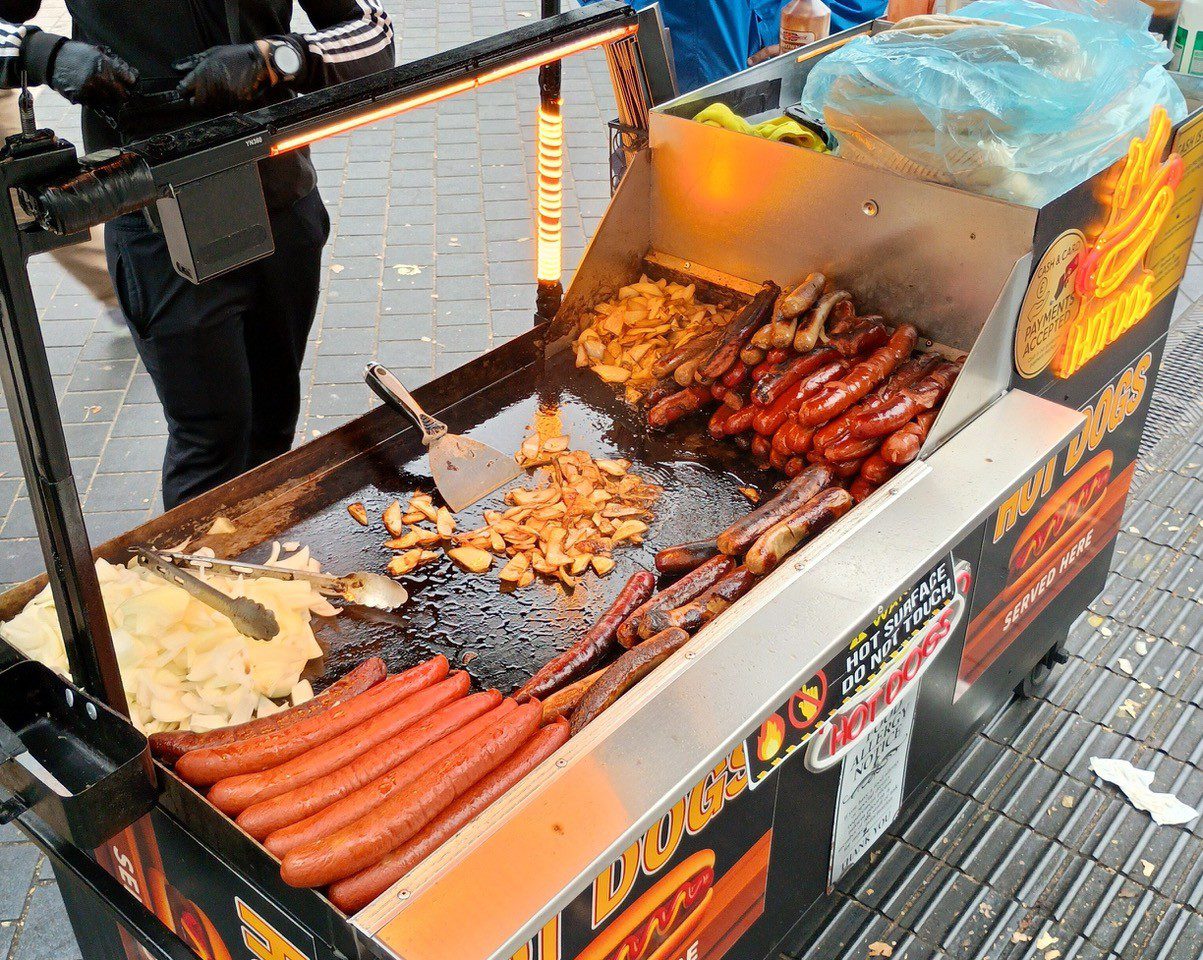
One of the illegal hot dog stands the council confiscated © RBKC
Cllr Johnny Thalassites, lead member for enforcement, said: “Our streets are not a free-for-all, and the rules are not optional.
“We’ve had officers out seven days a week, challenging illegal traders more than 400 times, handing out fines and seizing hot dog carts, so if you think you can flout the rules and carry on trading, think again.”
He said illegal traders undercut businesses that pay for licences and follow the rules, adding that the council would continue to “stand up for those who play by the rules”.
Rebecca Handley, Director of Place and Environment for Knightsbridge Partnership and King’s Road Partnership, said the groups had worked with the council to gather intelligence, identify hotspots and support targeted enforcement.
She said: “We have been greatly encouraged by the Council’s determination and commitment to addressing this issue and reducing its impact on the local environment and business community. This collaborative approach is vital to protecting the character of Knightsbridge and the King’s Road.”
The additional patrols, carried out by Kingdom Services Group alongside the council’s Street Enforcement Team, operated between 11am and 7pm every day.
Officers challenged illegal trading by speaking to sellers, stopping unauthorised activity and confiscating equipment. The council recorded 50-plus other cases when traders failed to engage with officers, leading to further fines being prepared.
The council said illegal street trading can cause noise and air pollution, create litter, obstruct pavements and roads and raise food safety concerns. It also puts businesses that operate legally at an unfair disadvantage.